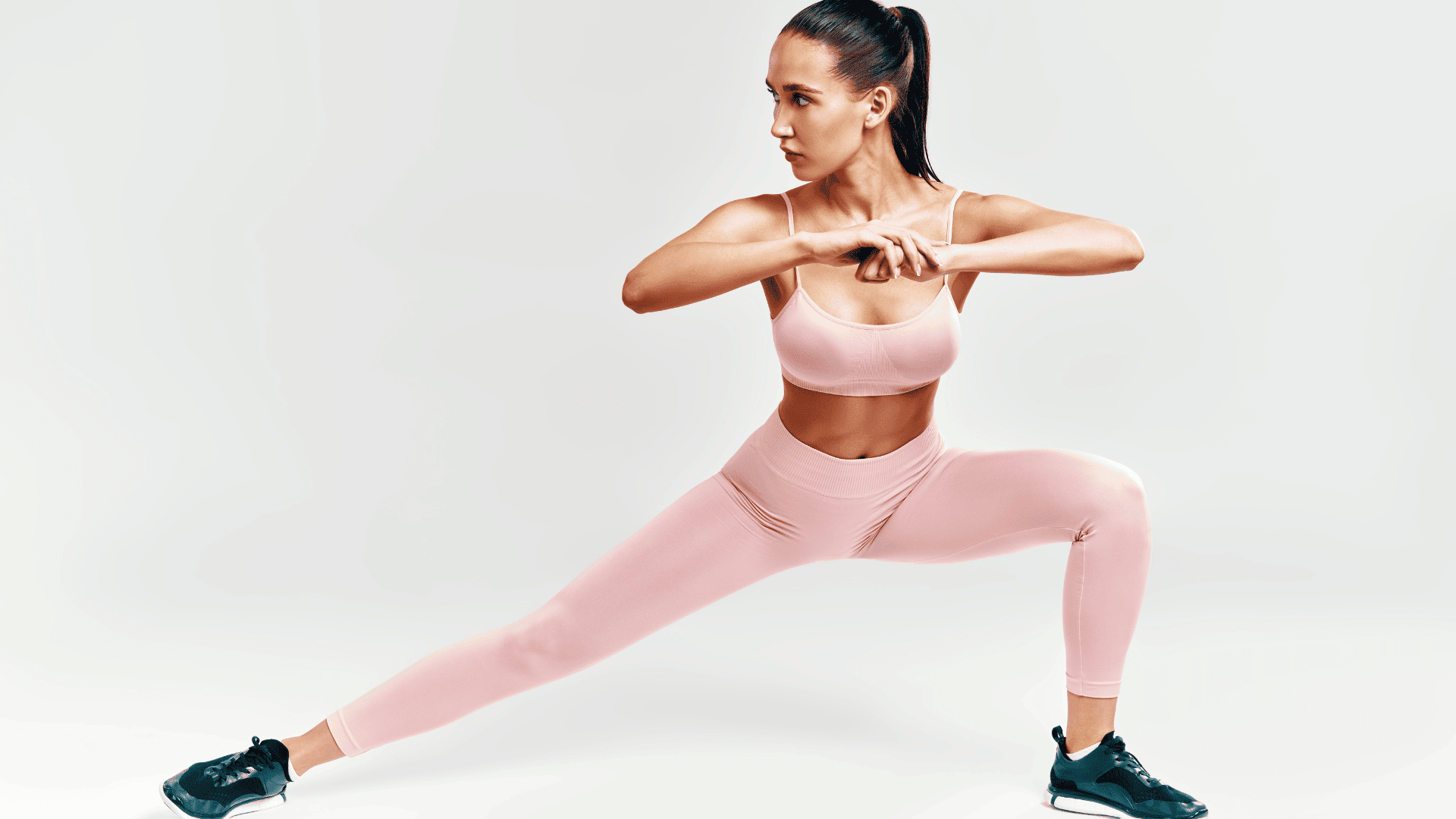
Most people think a good workout has to take an hour.
But the truth is, you can get real results in just 30 minutes. Half an hour is enough to build strength, burn calories, and feel more energized all without taking over your day.
A 30-minute workout is the sweet spot. It’s short enough to squeeze into a busy schedule, but long enough to train your muscles, raise your heart rate, and leave you with that post-workout boost.
Public health guidelines even suggest that about 30 minutes of exercise most days of the week is one of the best ways to stay healthy.
In this guide, you’ll learn 3 smart ways to use just 30 minutes: a full-body circuit, a split of HIIT and strength, and focused sessions for legs, arms, or core.
Each option is efficient, beginner-friendly, and easy to follow at home or in the gym.
Why 30 Minutes Is the Sweet Spot

Half an hour may not sound like much, but research shows it’s more than enough to build strength, manage weight, and improve mental health.
In fact, public health guidelines recommend around 30 minutes of moderate exercise most days of the week for better overall health.
A 30-minute workout checks a lot of boxes at once. It can lift your mood, lower stress, and give you more energy to get through the day.
It also supports physical goals like building muscle, burning calories, and improving endurance.
The biggest advantage? It’s easier to stick with.
Long workouts often feel impossible when you’re balancing work, family, and everything else.
But half an hour fits into a lunch break, an early morning, or the small pocket of time you find after the kids go to bed.
That’s why 30 minutes is the sweet spot—it’s long enough to matter but short enough to manage.
3 Ways to Max Out a 30-Minute Workout
When time is short, structure is everything. A clear plan helps you stay focused and use every minute wisely.
Here are three workout formats that work well in a 30-minute window. Each one includes simple moves you can do with little or no equipment.
1. Full-Body Circuit (Strength and Cardio Together)

This format blends strength and cardio so your whole body gets worked in one session.
Warm-up (5 minutes):
Start with light movement to wake up your muscles and joints. Try arm circles, leg swings, or jogging in place. This gets your blood flowing and lowers your chance of injury.
Main Circuit (20 minutes): Do 3 rounds. Perform each move for 45 seconds, then rest for 15 seconds.
- Squats – Stand with feet shoulder-width apart. Lower your hips back and down as if sitting in a chair. Keep your chest tall. Push through your heels to return to standing.
- Push-Ups – Start in a plank with your hands under your shoulders. Lower your chest toward the floor, then push back up. Beginners can drop knees to the ground.
- Rows (with band or backpack) – Stand tall, holding a resistance band or backpack. Bend slightly forward, then pull the weight toward your chest by squeezing your shoulder blades. Slowly lower back down.
- Lunges – Step one foot forward, lower your back knee toward the ground, then push through your front heel to return to standing. Alternate legs each rep.
- Plank Rotations – Start in a plank on your hands. Rotate your body to the side, lifting one arm toward the ceiling. Return to plank and switch sides.
Cooldown (5 minutes): End with gentle stretches for your legs, arms, and back to relax your muscles and improve flexibility.
Why it works: You hit every major muscle group and keep your heart rate up the whole time.
Beginner tip: Stick with bodyweight moves until you feel ready to add weights.
2. HIIT + Strength Split (Half Sweat, Half Muscle)

This format gives you the best of both worlds, fast calorie burn from cardio and solid strength from resistance moves.
First 15 minutes (HIIT circuit): Do 30 seconds of each move, rest for 15 seconds, and repeat for 3–4 rounds.
- Jumping Jacks – Jump your feet out wide as you swing your arms overhead, then jump back to start. Step side to side if you want a low-impact option.
- Burpees – Start standing. Squat down, place your hands on the floor, and step or jump your feet back to plank. Step or jump forward, then stand up or add a small jump.
- Mountain Climbers – Start in plank. Quickly drive one knee at a time toward your chest as if running in place horizontally.
- High Knees – Run in place, lifting your knees toward your chest. Move your arms to match the rhythm.
Second 15 minutes (Strength circuit): Perform each move for 10–12 reps. Repeat for 2–3 rounds.
- Push-Ups – Same form as above, drop to knees if needed.
- Squats – Keep form tight, don’t rush the movement.
- Planks – Hold on your forearms or hands. Keep your body in a straight line from head to heels.
Why it works: You raise your heart rate with HIIT, then use the second half to strengthen your muscles.
Beginner tip: Replace burpees with step-backs or swap jump moves for slower versions.
3. Targeted Focus (Pick One: Legs, Arms, or Core)
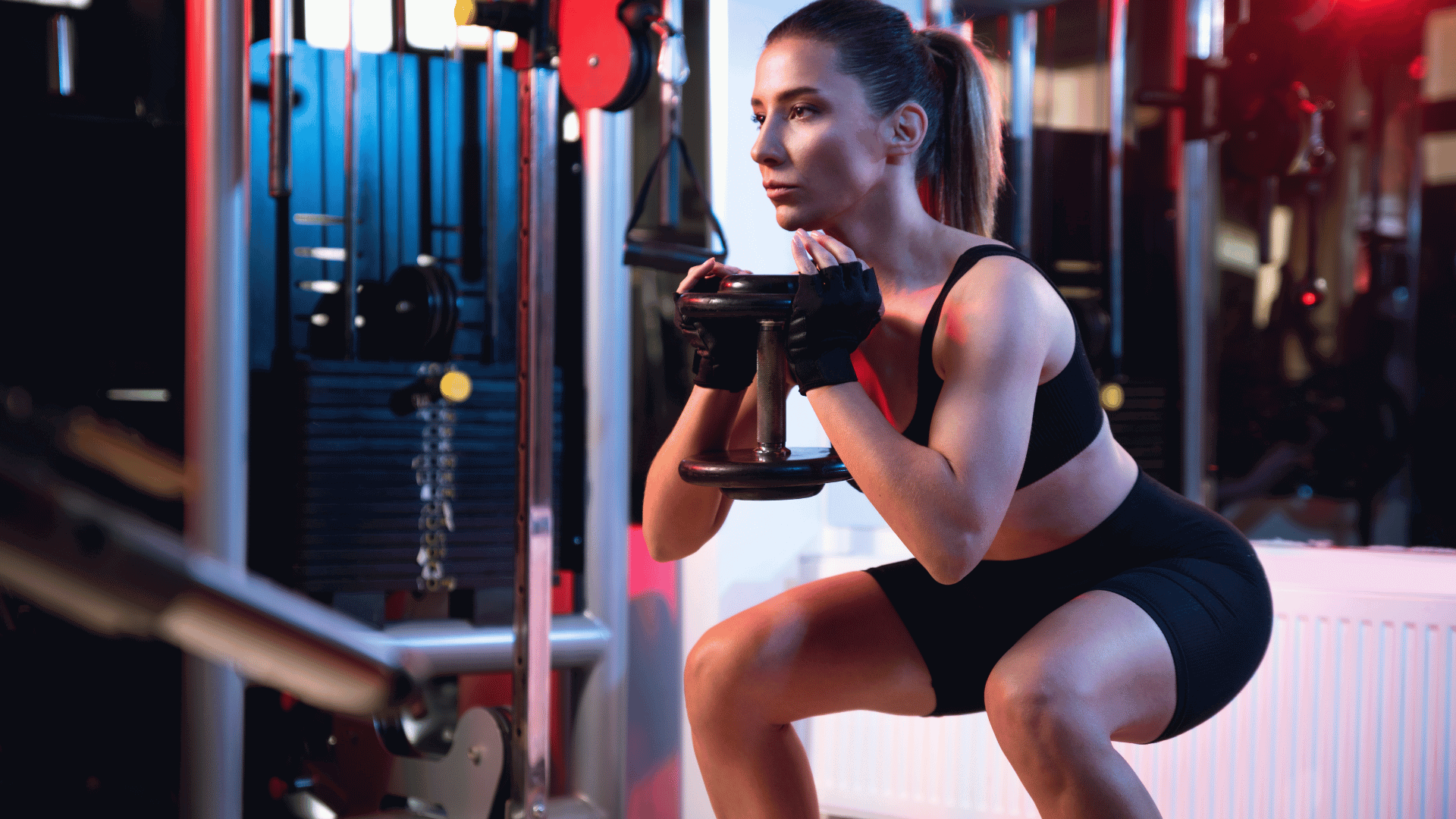
Sometimes you want to zero in on one area. This format lets you spend the whole 30 minutes building strength in a single muscle group.
Lower body example:
- Walking Lunges – Step forward into a lunge, then push through your front heel to step into the next lunge. Keep alternating.
- Goblet Squats – Hold a dumbbell or backpack at your chest. Lower into a easy squat while keeping your chest tall.
- Step-Ups – Place one foot on a sturdy step or chair. Push through your heel to stand tall, then step back down. Switch legs.
- Glute Bridges – Lie on your back with knees bent. Press through your heels to lift your hips off the ground. Squeeze your glutes at the top, then lower.
Upper body example:
- Push-Ups – Focus on controlled movement.
- Band Rows – Pull a resistance band toward your chest, squeezing shoulder blades together.
- Overhead Presses – Hold dumbbells or water bottles at shoulder height. Press overhead until arms are straight, then lower with control.
- Planks – Keep your body steady and avoid sagging hips.
Why it works: You target one area with enough volume to build strength, while still finishing in 30 minutes.
Beginner tip: Keep rests short, 30 to 45 seconds, so you stay on track.
Mistakes That Can Ruin a 30-Minute Workout
Even the best workout plan won’t deliver results if you spend your time the wrong way. Since 30 minutes is short, every choice matters.
Here are common mistakes that can steal your progress and how to avoid them.
Skipping the Warm-Up or Cooldown
It might feel tempting to jump straight into the workout, but skipping your warm-up makes your body more prone to injury.
Muscles and joints need a few minutes of movement to loosen up. A quick warm-up can be as simple as arm circles, leg swings, or marching in place.
The same goes for the cooldown. Stopping suddenly after a workout can leave you stiff or sore.
Taking five minutes to stretch your legs, arms, and back will help you recover faster and feel better the next day.
Taking Long Breaks Between Sets
Rest is important, but too much rest can cut your workout in half.
For example, if you pause for three or four minutes after each move, your 30-minute workout can drag into 45 minutes or more and the intensity drops.
A better approach is to keep breaks short and focused. Stick to 30–60 seconds. This keeps your heart rate up and helps you make the most of the time you have.
Choosing Only Isolation Moves
Isolation exercises, like bicep curls or leg extensions, target one muscle at a time. While they can be useful, they don’t give you the biggest return in a short workout.
Instead, focus on compound moves. Squats, push-ups, and rows work several muscles at once
This way, you build more strength, burn more calories, and stay efficient. Think of compound moves as two-for-one exercises, they save time while giving better results.
Losing Focus to Your Phone
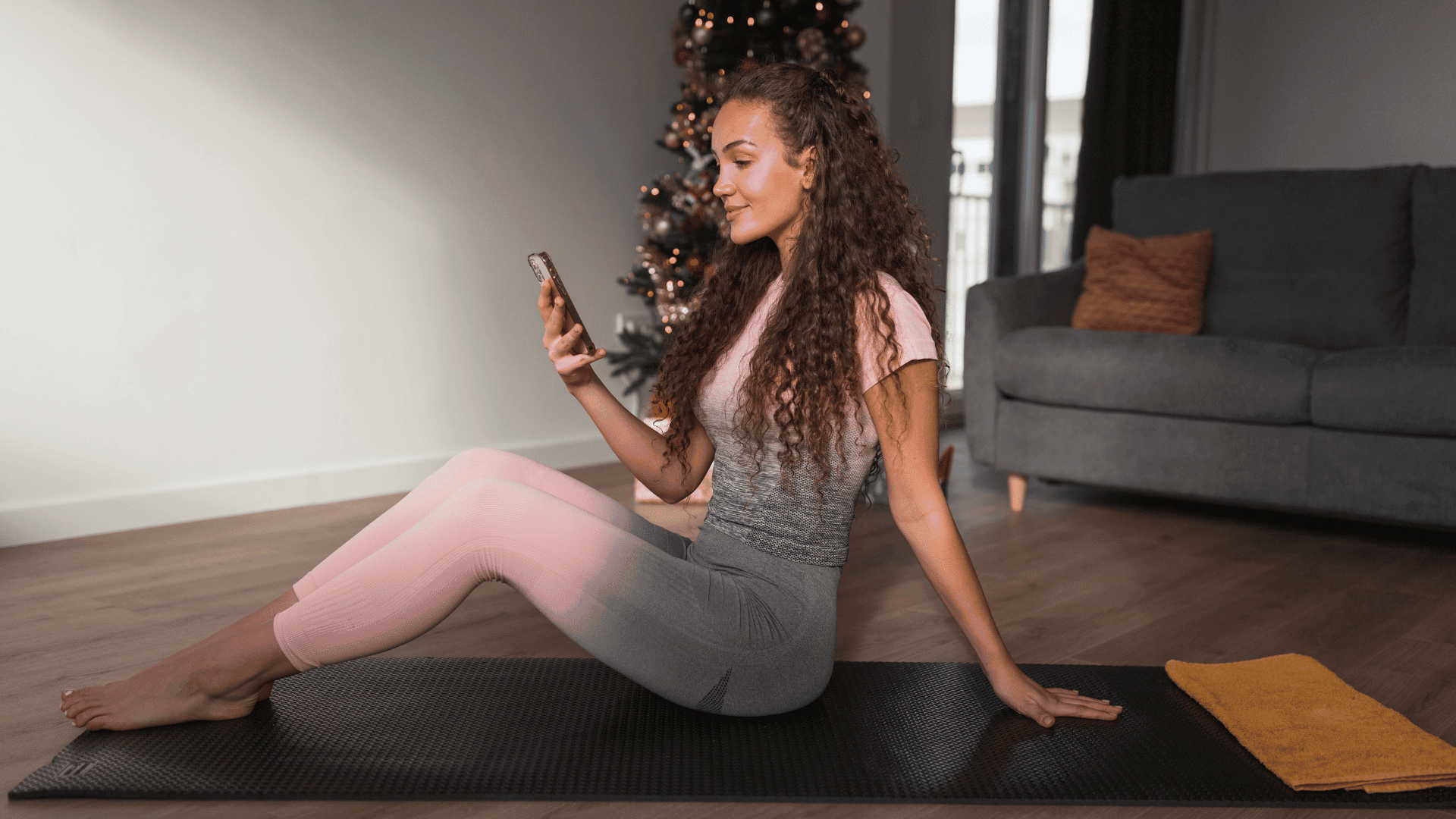
Phones can be a big time-waster during workouts. Checking texts or scrolling social media mid-set breaks your rhythm. By the time you look up, minutes are gone.
If you need your phone for a timer, set it before you start and place it out of reach. That way, you stay focused on the work and not the notifications.
Going Too Easy or Too Hard
Finding the right effort level is key. If you go too easy, like barely breaking a sweat, you won’t build strength or endurance.
But going too hard, like pushing through nonstop burpees until you’re dizzy, can lead to injury or burnout.
The best balance is “challenging but doable.”
For example, during the last few reps of a move, you should feel your muscles working hard, but still able to finish with good form.
Easy Tweaks to Make 30 Minutes Work Even Harder
Sometimes it’s not about adding more time but about using the time better. A few small changes can turn a good workout into a great one. Here’s how to upgrade your 30-minute sessions without overcomplicating them.
Use a Timer to Stay on Track
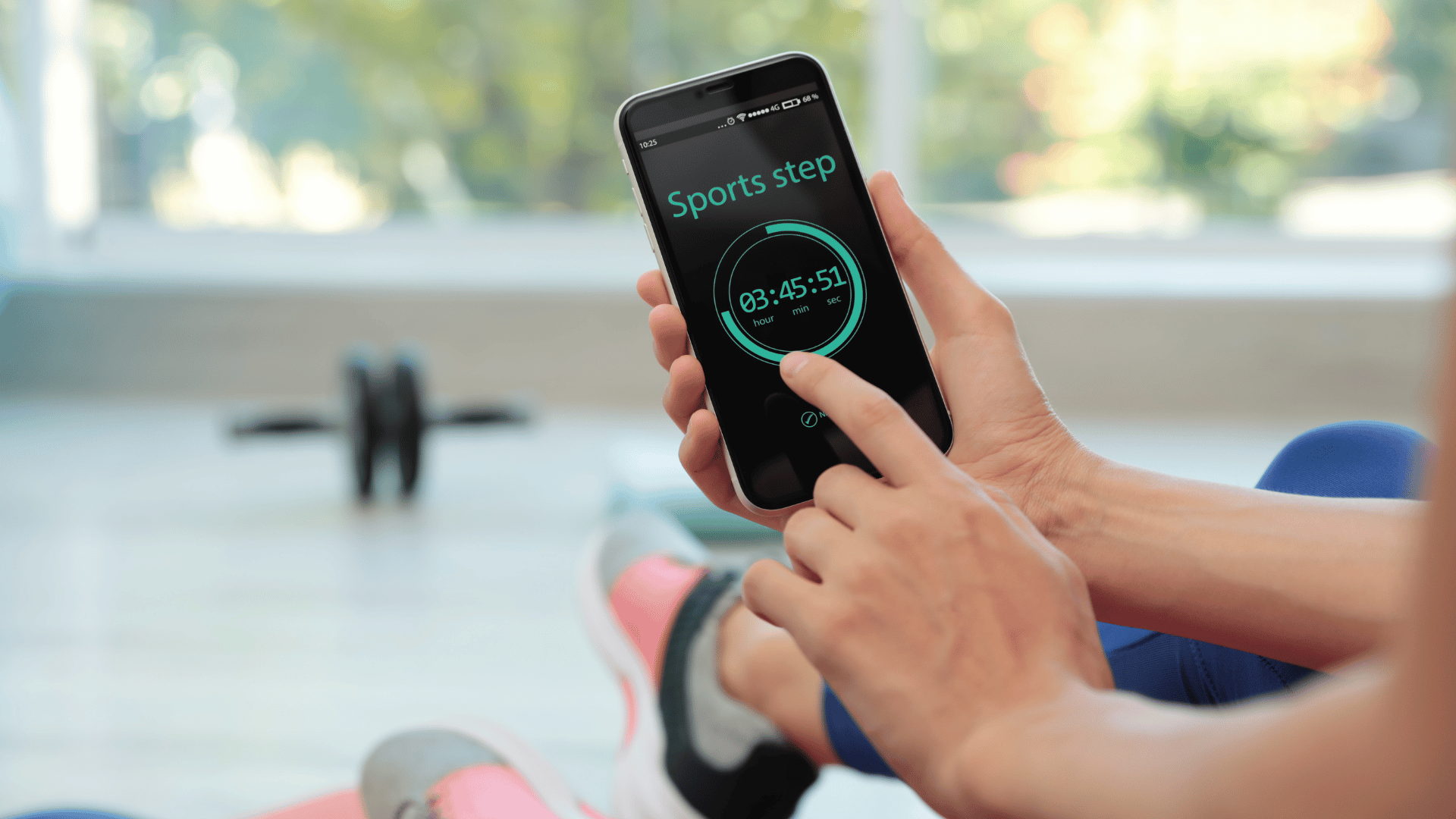
Time moves fast when you’re training. Without structure, it’s easy to rest too long or lose focus. A timer keeps you accountable.
Set intervals for work and rest, like 40 seconds of movement followed by 20 seconds of rest.
Apps, phone timers, or even a simple watch can do the trick. By sticking to the clock, you’ll get more done in less time.
Add Light Dumbbells or Resistance Bands
Once bodyweight feels easy, light equipment can boost progress. Dumbbells make squats, lunges, and presses more challenging, while bands add resistance to rows or glute bridges.
The key is to start light.
For example, hold water bottles during squats or loop a resistance band around your thighs for added tension. These small tweaks make your muscles work harder without adding more minutes.
Superset Exercises to Save Time
A superset means doing two exercises back-to-back before resting.
For example, try a set of push-ups followed immediately by rows, then rest. This format doubles the work in the same time window.
Supersets are efficient because while one muscle group rests, another one works. It keeps your heart rate up, saves time, and makes your workout feel more dynamic.
Stack With a Quick Recovery Session
Adding just five minutes of light activity at the end can speed up recovery. That might be a brisk walk around the block, a few stretches, or even a short yoga flow.
This “bonus round” helps your body cool down, reduces soreness, and gives your mind a chance to reset. It’s a small habit that pays off over time.
Why 30 Minutes Can Change Everything
You don’t need hours in the gym to see results. Half an hour of focused movement is realistic, repeatable, and powerful. It gives your body the push it needs to get stronger, burn calories, and boost energy, without overwhelming your schedule.
The real secret isn’t about finding the “perfect” routine. It’s about showing up often enough to let the habit stick. Whether you choose a full-body circuit, a mix of HIIT and strength, or a focused session, what matters most is consistency.
Start with 30 minutes today. Do it again tomorrow or the next day. Each session builds on the last, and over time, those small chunks add up to big changes.
Progress comes from practice, not perfection.
Ready to Keep the Momentum Going?
You’ve seen how much you can get done in just 30 minutes. (how easy it is and how fast you can do it)
Because the truth is, fitness doesn’t have to take over your day, it just needs to fit into it. Show up, stay consistent, and you’ll build strength, energy, and confidence one workout at a time.
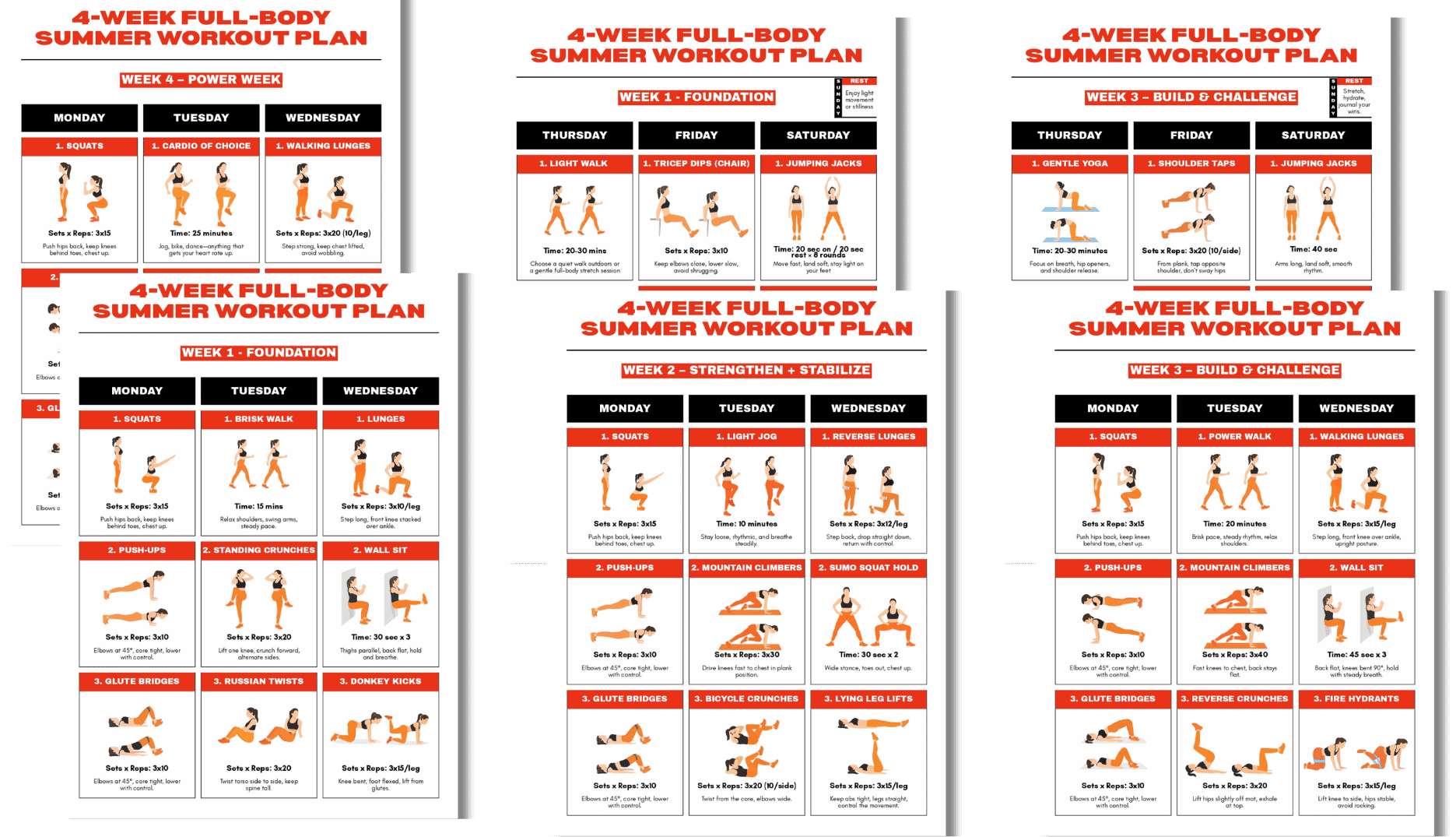
If you’re ready for more structure, grab your free 4-Week Full Body Summer Workout Plan.
It’s packed with simple, effective workouts you can follow step by step, perfect for busy women who want results without hours in the gym.
Frequently Asked Questions
1. Is a 30-minute workout enough to see results?
Yes. If you stay consistent, 30 minutes a day can improve strength, endurance, and energy. The key is effort. Short workouts still count if you move with purpose and keep your intensity up.
2. How many calories can you burn in 30 minutes?
It depends on the workout and your effort. A moderate routine like brisk walking can burn around 150–200 calories. A higher-intensity workout, like HIIT or circuits, can burn 250–400 or more. The more muscles you use, the more calories you burn.
3. Can you build muscle in just 30 minutes a day?
Yes. Muscle grows when you challenge it with resistance. Even 20–30 minutes of strength moves like squats, push-ups, and rows can build lean muscle over time. Consistency and good form matter more than workout length.
4. What should a beginner’s 30-minute workout look like?
Start simple. Warm up for 5 minutes with light movement. Then pick 4–5 basic exercises like squats, push-ups, lunges, and planks. Do each for 30–45 seconds, rest briefly, and repeat for 2–3 rounds. Finish with a short cooldown stretch.
5. Is it better to do 30 minutes daily or longer workouts fewer times a week?
Both work, but 30 minutes a day is easier to stick with. Shorter workouts spread across the week keep your energy up and build a steady routine. Longer workouts can also help, but consistency is what really drives results.


