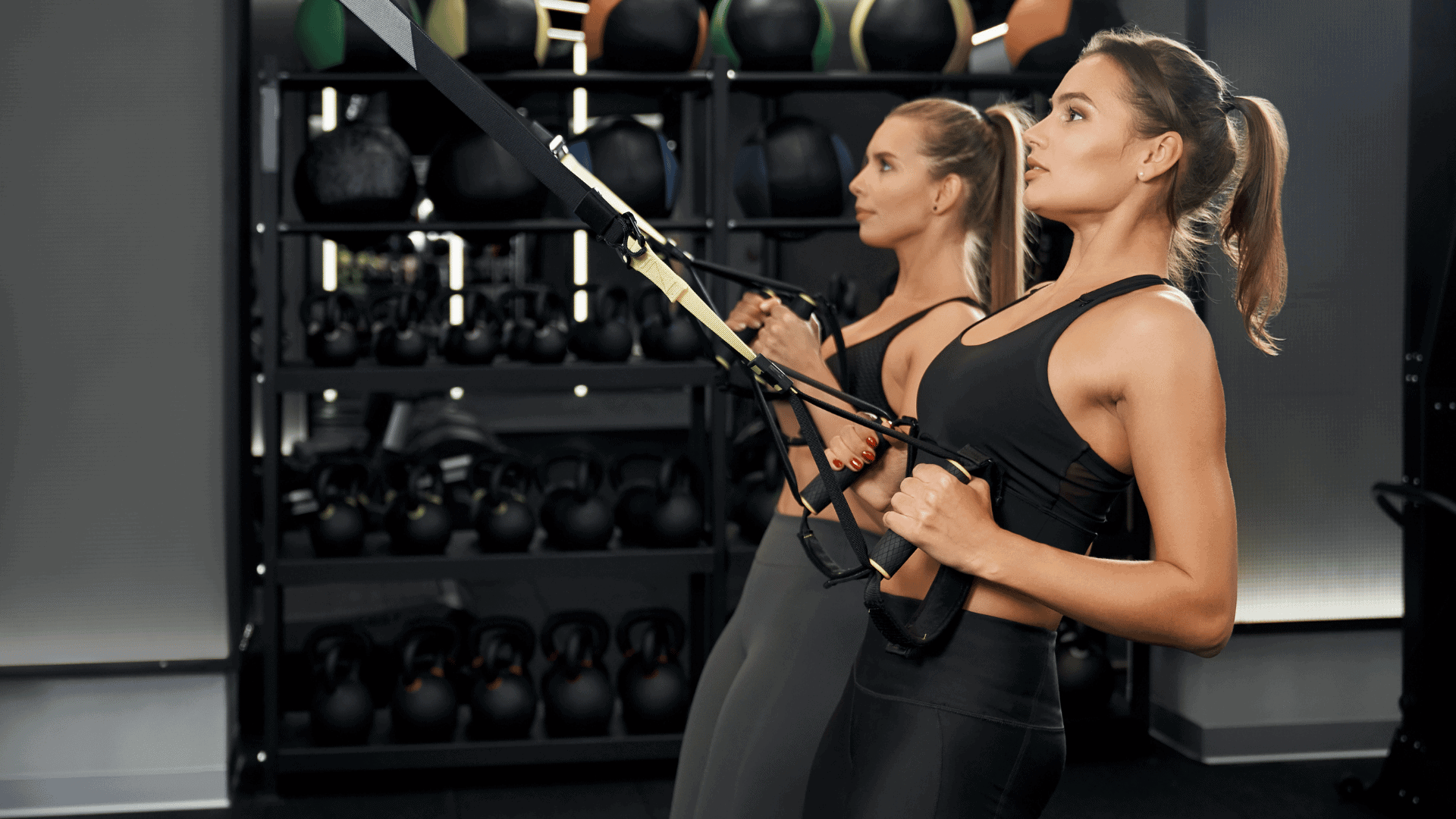
Most women want better posture, stronger arms, and a more lifted chest. However, it’s the most common workouts that often get skipped, usually because people think they’re just for men or worry about “getting too bulky.”
But here me out though.
Personally, I find that to be false. Because training your chest builds strength in the right places. It helps you stand taller, support your upper body, and shape the muscles under your bust.
And when done right, it can even give a natural lift without any extra help.
So, if you’re one of the few woman who’re looking for different chest workouts that can help them gain more strength and sculpt their upper body? You’re in the right spot.
Because in this guide, I’ll walk you through 7 simple but effective chest workouts that you can easily do at home at the gym with just dumbbells, bands, or simple bodyweight.
Each one helps you build strength, improve shape, and move better in everyday life.
But, Why Chest Workouts Really Matter for Women
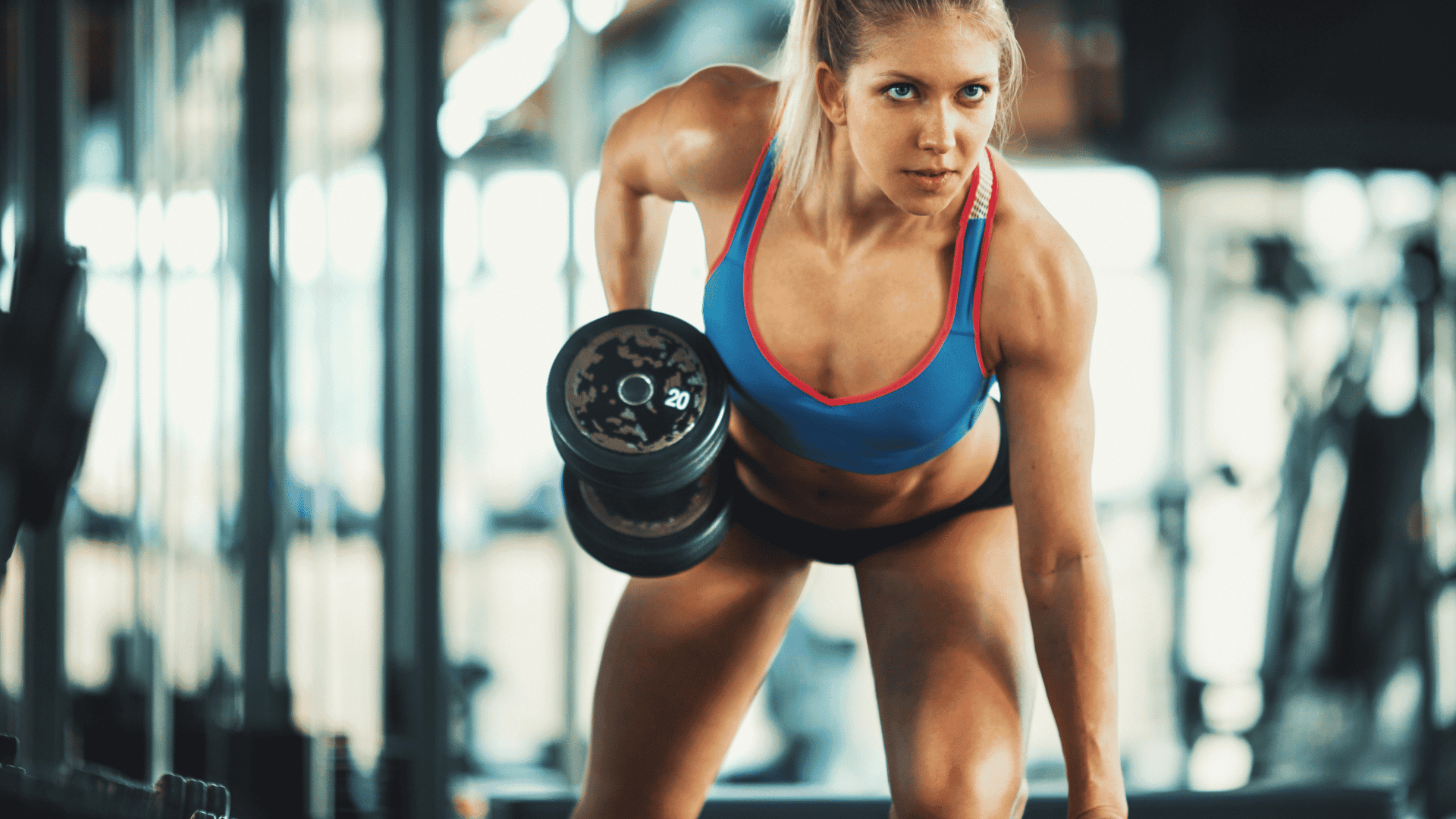
If you carry groceries, lift kids, or sit at a desk all day, your chest muscles are already working. But without targeted training, they stay weak and that affects how you move, look, and feel.
Your chest has two main muscles.
The pectoralis major (the big one you see) and the pectoralis minor (a smaller one underneath).
Together, they help with pushing, lifting, and keeping your shoulders in the right place.
Some women worry that chest workouts will make their bust smaller or bulky. But that’s a myth.
These exercises don’t shrink your chest, they build the muscles under your breasts, which can actually make your chest look more lifted and defined.
Chest training also brings real, everyday benefits, including:
- Better posture — strong chest muscles balance your back muscles so your shoulders stay open and upright.
- More strength — pushing a stroller, closing a heavy door, or doing yoga becomes easier when your upper body is strong.
- Improved bone health — weight training helps keep your bones dense, which is important as you age.
- Boosted confidence — when your posture improves and your upper body feels stronger, it shows in how you stand and move.
So, training your chest isn’t just about shape, it’s about strength, support, and how your body works as a whole.
How to Train Your Chest Without Getting Bulky

Many women avoid chest exercises because they worry about looking too muscular. But building large, bulky muscles takes a lot more than just doing a few push-ups or lifting light dumbbells.
Women don’t have the same muscle-building hormones as men. So instead of adding size, chest training helps create lean, toned muscle. This kind of training gives your chest more shape and support — not bulk.
To get those results, the right approach matters. Use weights that feel challenging but still let you move with control.
Aim for about 10 to 15 reps per set.
This rep range helps tone your muscles without making them grow too large.
Aside from that, the way you move is just as important.
Fast, jerky motions don’t help your muscles work as well. But when you lift and lower slowly, you feel the muscles working and that’s what leads to strength and definition.
Over time, these exercises help firm up the chest area. They also make daily tasks like pushing a door, lifting a box, or holding a baby feel easier. And when your upper body feels stronger, your posture often improves too.
So if your goal is to feel firmer and more balanced, chest workouts can help. They’re not just safe for women, they’re smart, effective, and worth including in your weekly routine.
Quick Warm-Up to Protect Your Shoulders and Boost Results

Before you start pressing or lifting, it’s important to wake up your upper body. A warm-up helps your muscles move better and keeps your shoulders safe. It also gets your blood flowing, which makes your chest workouts feel smoother and stronger.
To do this, you can start with easy stretches and warm-up movements:
Arm Circles (20 seconds each direction)
To do an arm circle properly, the first thing you would need to do is to stand tall and extend your arms out to the sides. Then make small circles forward, before you switch directions.
This loosens up your shoulder joints and gets the blood moving.
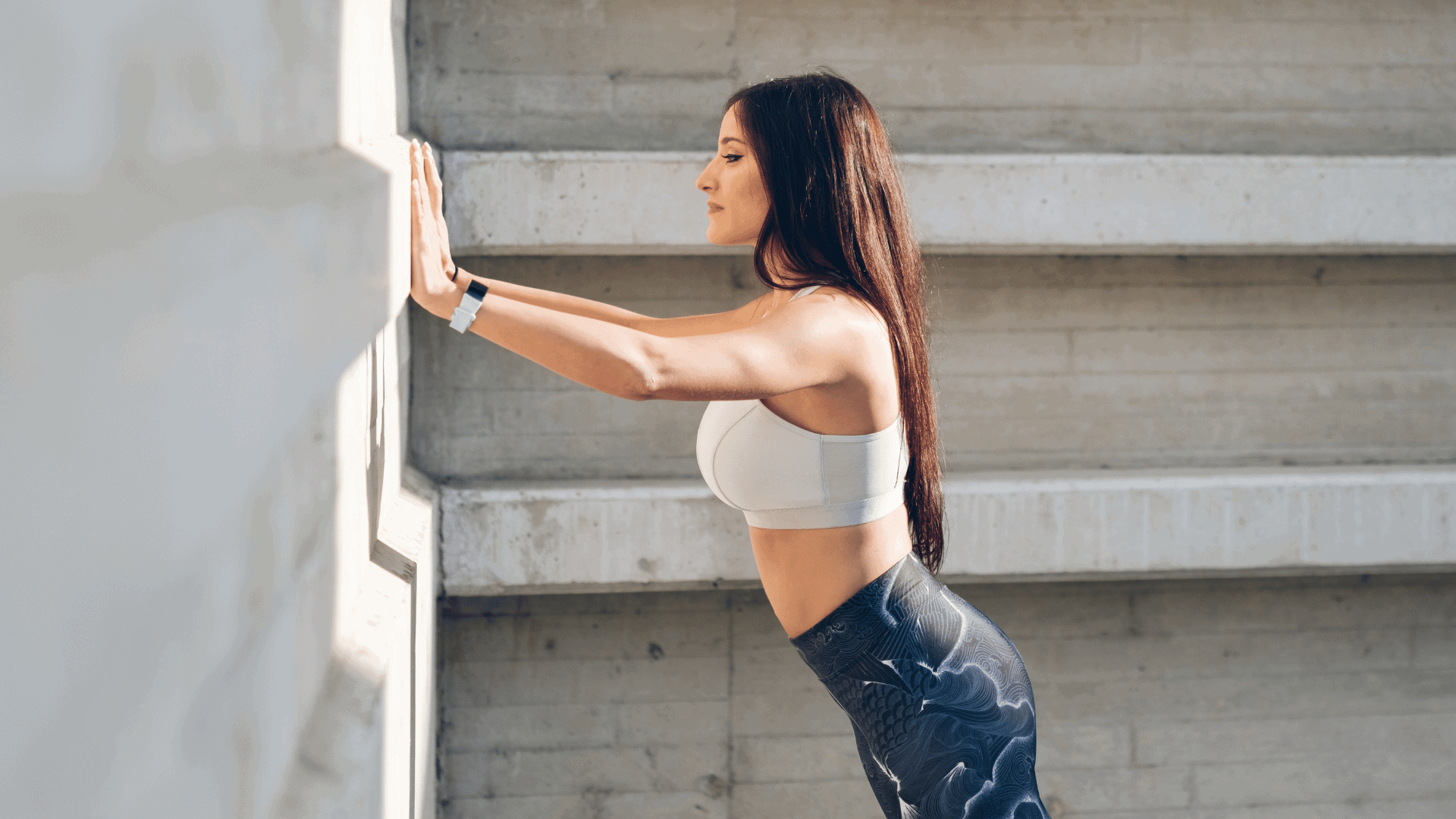
Wall Push-Ups (10 reps)
Aside from arm circles, you can also do wall push-ups. To start, face a wall, place your hands at chest height, and do push-ups against it.
Keep your body straight and lower your chest toward the wall, then push back.
This will gently activate your chest, arms, and shoulders without too much strain.
Shoulder Openers (10 reps)
Last is the shoulder openers, to begin, just clasp your hands behind your back and lift your arms slightly while keeping your chest lifted.
Once you do that, hold for a few seconds, then release.
This will open up tight shoulders and improve posture.
Warm-ups are not just for preventing injury, they also help you move with better form. When your joints are ready and your muscles are awake, your reps feel easier and more effective.
Give this quick routine 2–3 minutes before each chest workout. It sets the tone for better strength and safer movement.
7 Strong Chest Moves to Try Now
These seven moves work your chest from every angle. They’re simple, effective, and easy to adjust based on your strength level.
Each one helps tone your upper body and build everyday strength.
1. Dumbbell Chest Press (Flat or Floor Version)
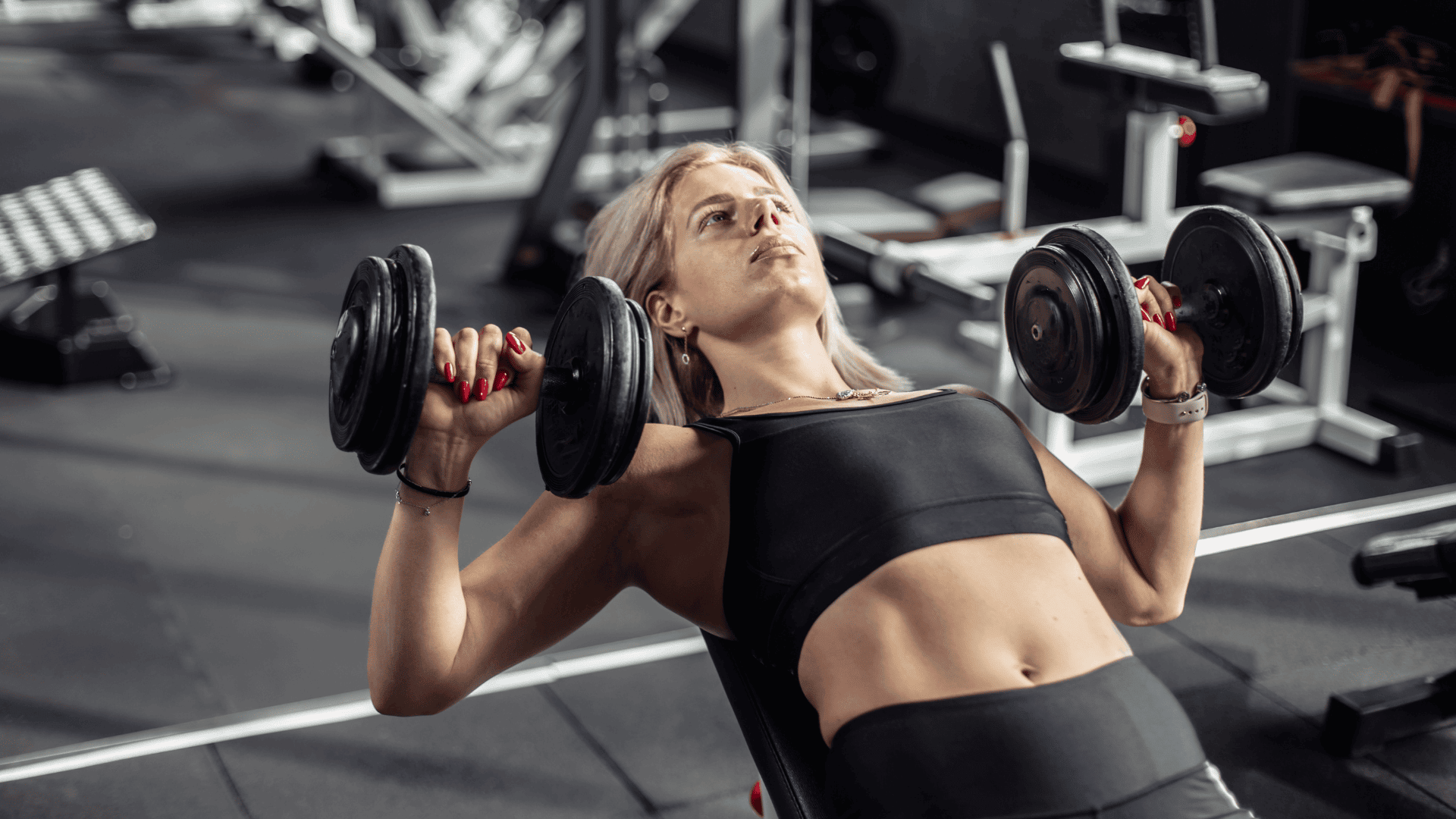
Lie on a mat or bench with a dumbbell in each hand at chest level. Press them straight up, then lower slowly. Keep your elbows slightly bent and don’t let your back arch.
This move works the center of your chest, shoulders, and arms. To make it easier, use a lighter weight or press on the floor to reduce strain on your shoulders.
2. Dumbbell Chest Fly
Lie down with light weights in each hand. Keep a soft bend in your elbows, open your arms wide until they feel a stretch, then bring them back together like giving a hug.
Control the motion, don’t let the weights drop. This targets your outer chest and improves flexibility.
3. Modified Push-Ups (Wall, Knee, or Incline)
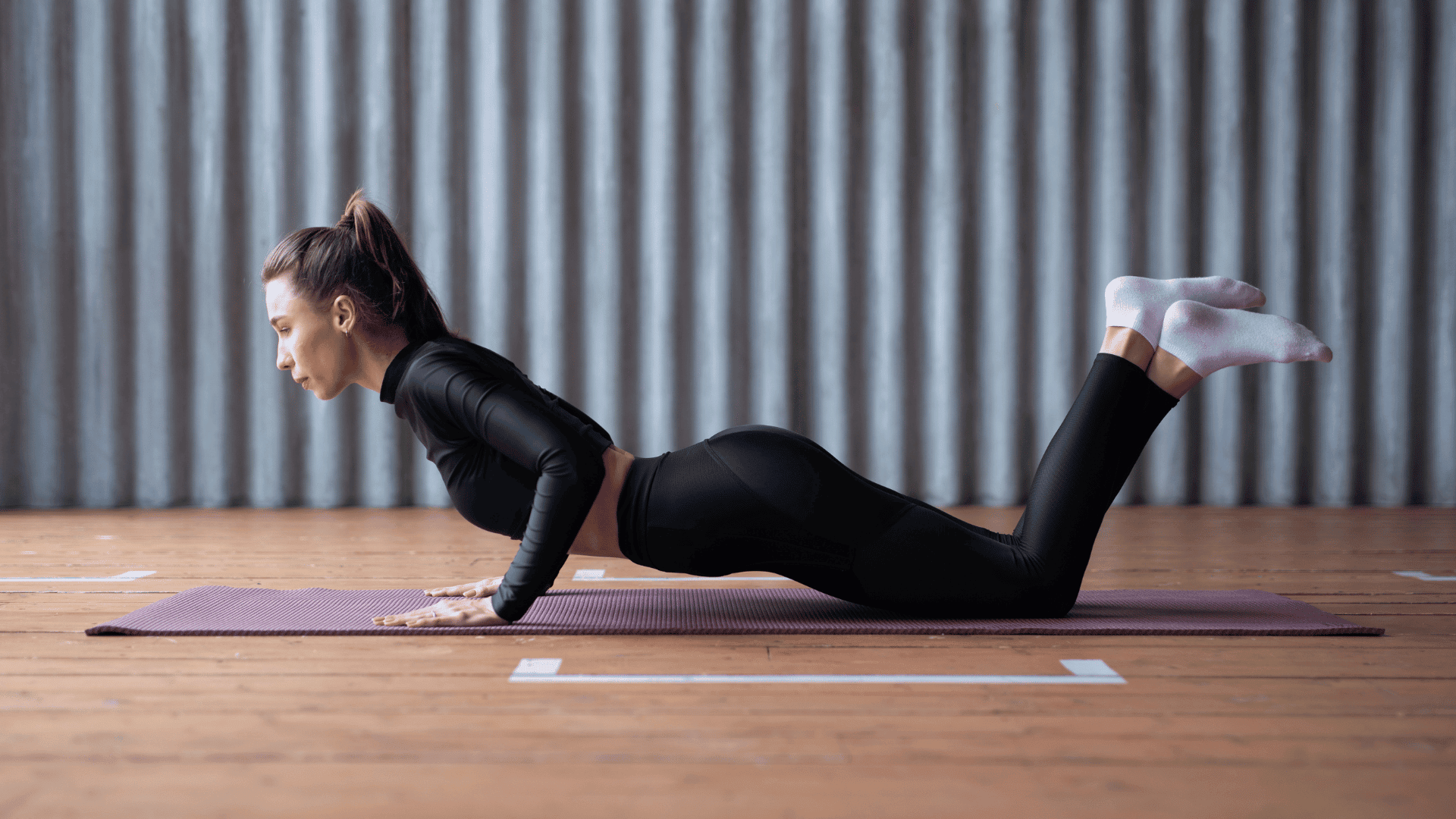
Start with your hands on a wall, your knees, or a bench. Keep your body straight and lower your chest toward the surface, then press back up.
These work your chest, arms, and core without putting too much pressure on your shoulders. As you gain strength, try full push-ups or add a pause at the bottom.
Remember—quality beats quantity. (always)
4. Resistance Band Chest Press
Loop a band behind your back, hold an end in each hand, and press forward like a push-up or press.
The band adds resistance through the entire movement and is gentle on your joints.
5. Incline Chest Press or Floor Press

Lie back on an incline bench or the floor. Press upward with dumbbells and lower with control.
The incline hits your upper chest more, while the floor press supports your shoulders and is safer for beginners.
6. Close-Grip Press-Fly Combo
Lie on your back holding dumbbells together at chest level. Press them up, then open your arms into a fly before bringing them back together.
This works your inner and outer chest, plus your triceps. Use light weights to start.
7. Plank Shoulder Taps (Or Dumbbell Pullovers)
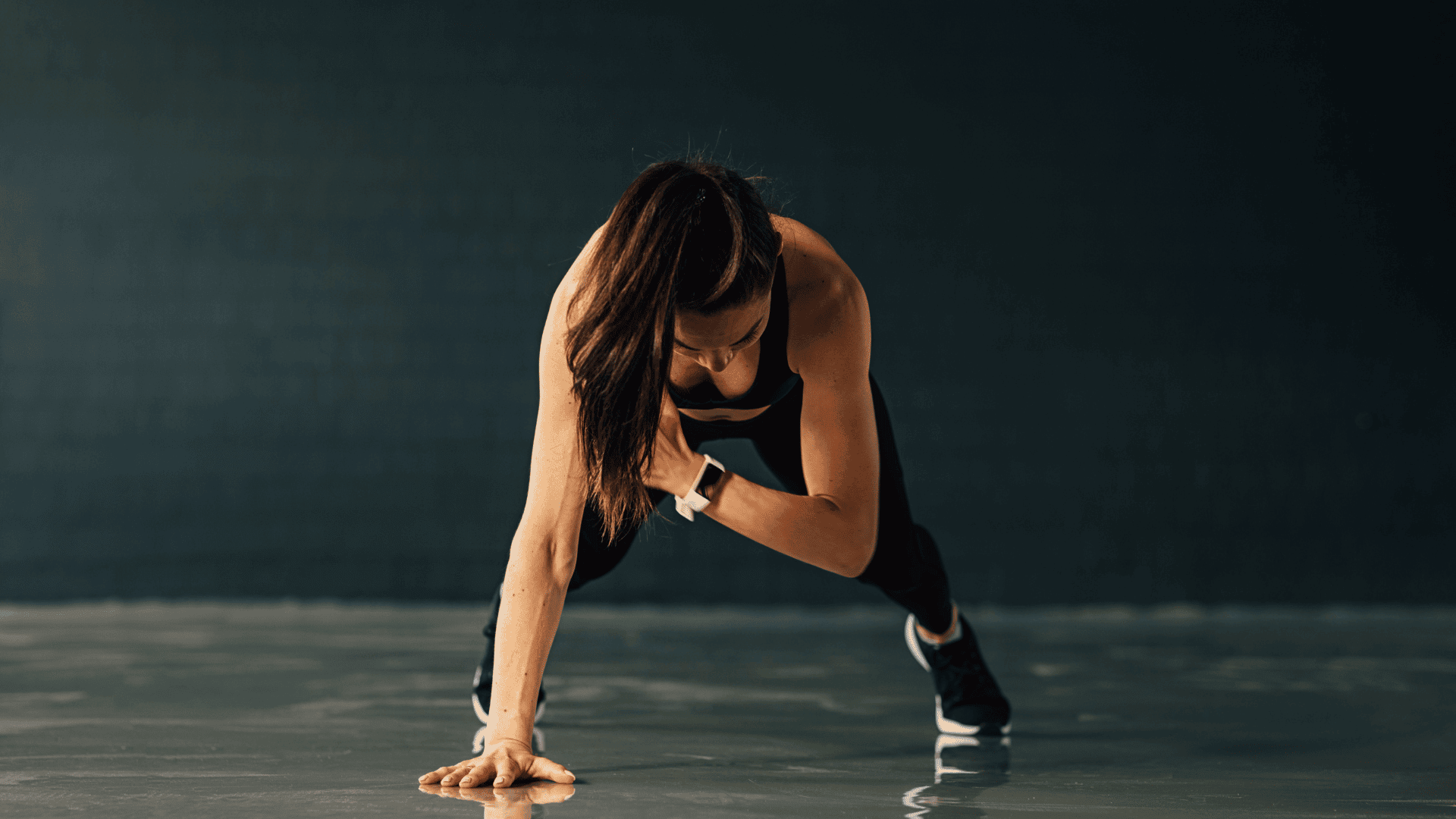
Start in a plank and tap one shoulder with the opposite hand, alternating sides. This move fires your chest, shoulders, and core to keep you stable.
Or, lie on your back with one dumbbell held overhead and pull it back over your chest. Both moves help with strength and posture.
These moves use simple tools, dumbbells, bands, or your own body and are easy to do at home.
Quick Chest Circuit You Can Actually Stick To
Finding time for a full workout isn’t always easy. But even 10 minutes of focused movement can do more than you think, especially when you stick to moves that work your whole chest.
Instead of overthinking it, try this simple chest workout circuit. You’ll do each exercise for 30 seconds, then move right into the next one.
After all five, rest for 1 minute, then repeat the whole circuit two more times. That’s it.
Here’s your 10-minute chest workout circuit :
| Exercise | Time/Reps | Notes |
| Dumbbell Chest Press | 30 seconds | Focus on smooth, controlled presses |
| Incline or Knee Push-Ups | 30 seconds | Choose the version that challenges you |
| Dumbbell Chest Fly | 30 seconds | Keep a slight bend in your elbows |
| Plank Shoulder Taps | 30 seconds | Keep your hips steady and core tight |
| Band Press or Wall Push-Ups | 30 seconds | Maintain even pressure through both arms |
| Rest | 1 minute | Then repeat the full circuit two more times |
| Total Rounds | 3 rounds | Do 1–2 times per week for best results |
This setup keeps your heart rate up while building muscle tone. If you prefer a strength-focused version, you can do each move for 3 sets of 8–12 reps instead, resting 60–90 seconds between sets.
Aim for 1–2 chest sessions per week. That’s plenty to build strength and shape, without taking over your schedule.
4 Mistakes to Avoid in Chest Workouts

Chest workouts work best when done with control and proper form. But some habits can sneak in and slow down your progress or worse, cause discomfort and injuries.
Here are a few common ones to watch out for:
1. Using Too Much Weight Too Soon
Lifting heavy can feel like progress, but if it forces you to swing the weights or lose form, your chest won’t do most of the work.
Instead, other muscles (like shoulders or back) take over. Start with a weight you can control through the full range of motion, then slowly go heavier as you get stronger.
2. Skipping the Warm-Up
Jumping into chest moves without warming up can lead to stiff reps and sore joints.
Even a quick few minutes of arm circles, shoulder openers, or wall push-ups helps your muscles wake up and move better during the workout.
3. Letting Shoulders Do the Work
It’s easy to shift effort into the shoulders during push-ups or presses, especially when your form slips.
To keep the focus on your chest, think about squeezing your chest muscles as you press and lower slowly. Keep your shoulders pulled slightly down and back, not hunched forward.
4. Rushing Through Reps
Fast reps often mean shallow movement and little muscle control. Slowing things down helps your chest engage fully.
Lower with control, pause for a moment if you can, and press back up smoothly. Quality reps lead to better results than fast, sloppy ones.
Smart Ways to Progress Without Adding Bulk
Once you’re confident with your chest routine, the next step is making it a little more challenging over time.
The goal isn’t to build bulky muscle, it’s to build strength, shape, and tone.
Here’s how to do that without changing your goals or going too heavy too fast.
Gradually Increase Resistance
Progress doesn’t mean lifting the heaviest dumbbells in the room. It means doing a little more than last time. That could be adding one or two pounds, or doing an extra rep or set with the same weight.
Your chest muscles get stronger from steady effort, not sudden jumps.
Change Your Angle or Equipment
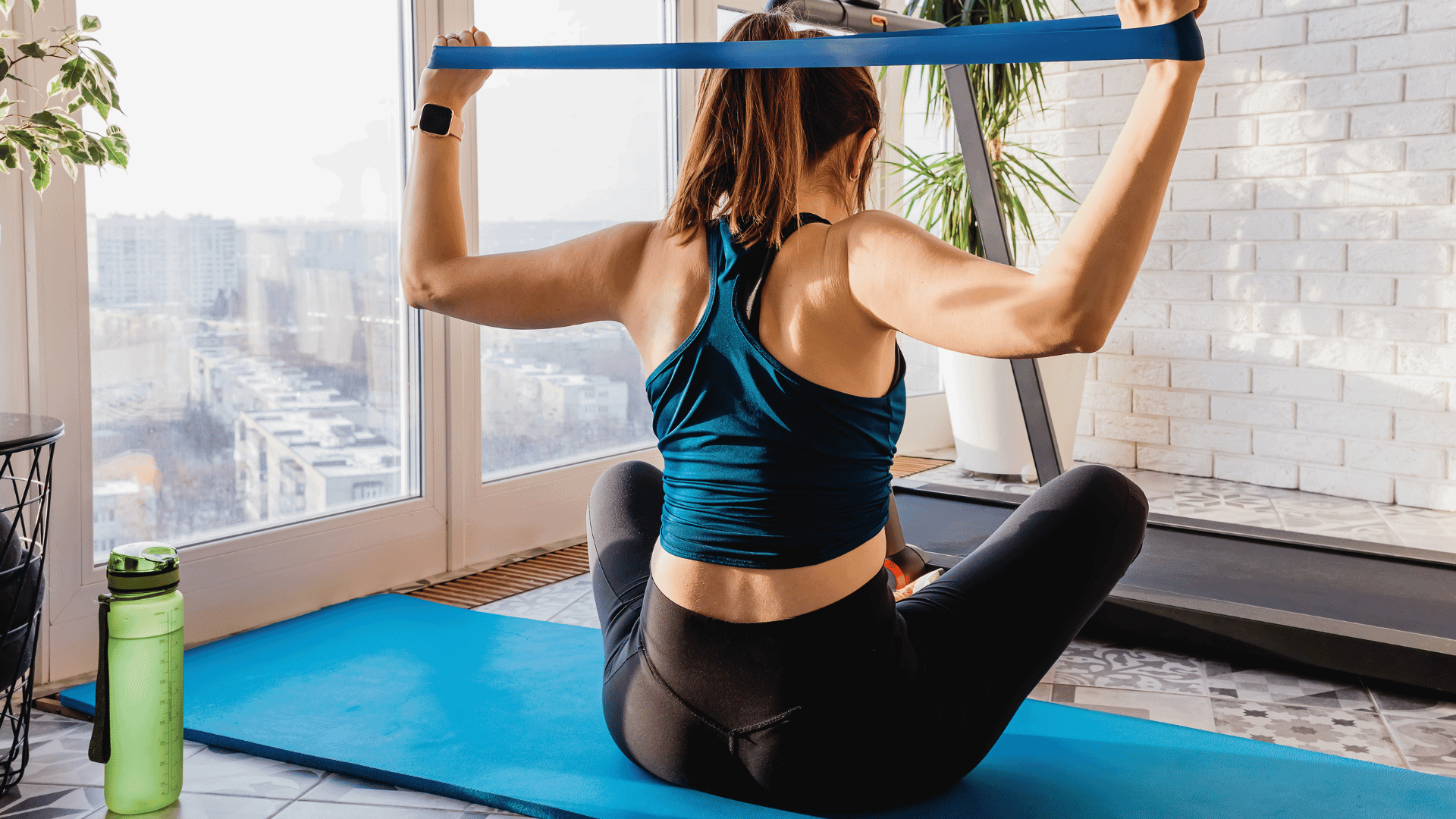
Sometimes a small change in body position or tools makes the move feel brand new. Try switching from flat to incline chest presses, or replace dumbbells with resistance bands.
These shifts hit your chest from different directions and keep the workout fresh.
Add Pauses, Slower Reps, or Supersets
You don’t need heavier weights to make your muscles work harder. Try adding a one-second pause at the bottom of a chest press, or slow each rep down to a 3-second count on the way down.
You can also superset two chest moves back to back with little rest to boost muscle activation.
Pair Chest With Back for Balance
Training your chest and back in the same week (or on the same day) helps keep your upper body balanced. It also improves posture and prevents one area from getting stronger while the other lags behind.
For example, match your push-up days with rows or resistance band pulls to work both sides.
Now You Can Start Working For A Strong Chest And A Better Posture
Chest workouts offer more than just visible tone or firmness. They support the way you move every day, from lifting groceries to sitting taller at your desk.
A strong chest helps keep your shoulders back, supports better breathing, and makes full-body movements more stable and controlled.
When paired with back and core training, chest exercises help build a balanced upper body that moves and feels better, not just looks stronger.
This kind of training isn’t about building bulk, it’s about building strength where it matters.
Stick with the moves that fit your level. Progress slowly. Focus on form.
Over time, chest training becomes a natural part of your full-body routine, one that helps you feel more capable, confident, and strong in your day-to-day life.
Want a Full Week of Workouts Planned for You?

You’ve got the chest moves covered, now it’s time to bring the rest of your workouts into balance. A full-body plan helps you build strength evenly, stay consistent, and avoid burnout.
Get your free Weekly Gym Workout Plan for Women. It shows you exactly what to train each day, so you don’t have to guess.
Pair it with this chest guide, and you’ll have a smart, simple workout schedule that fits your week and helps you feel stronger from head to toe.
Frequently Asked Questions
1. Will chest workouts make my breasts smaller?
No. Chest workouts target the muscles underneath your breasts, not breast tissue itself. In fact, building your chest muscles can create a lifted, firmer look, almost like a natural push-up effect.
2. How often should I do chest workouts?
Start with 1–2 times per week. This gives your muscles enough time to recover and grow stronger between sessions.
3. What if I don’t have dumbbells?
You can use water bottles, canned goods, or resistance bands as alternatives. Bodyweight moves like push-ups and shoulder taps are also great for building chest strength.
4. Can I do chest and back workouts on the same day?
Yes. Chest and back are a good pairing because they target opposite muscle groups. This keeps your body balanced and helps prevent poor posture.
5. How long before I see results?
Most women notice improved strength and muscle tone in 4–6 weeks with consistent training. Visible changes take time, but you’ll feel the difference sooner.


