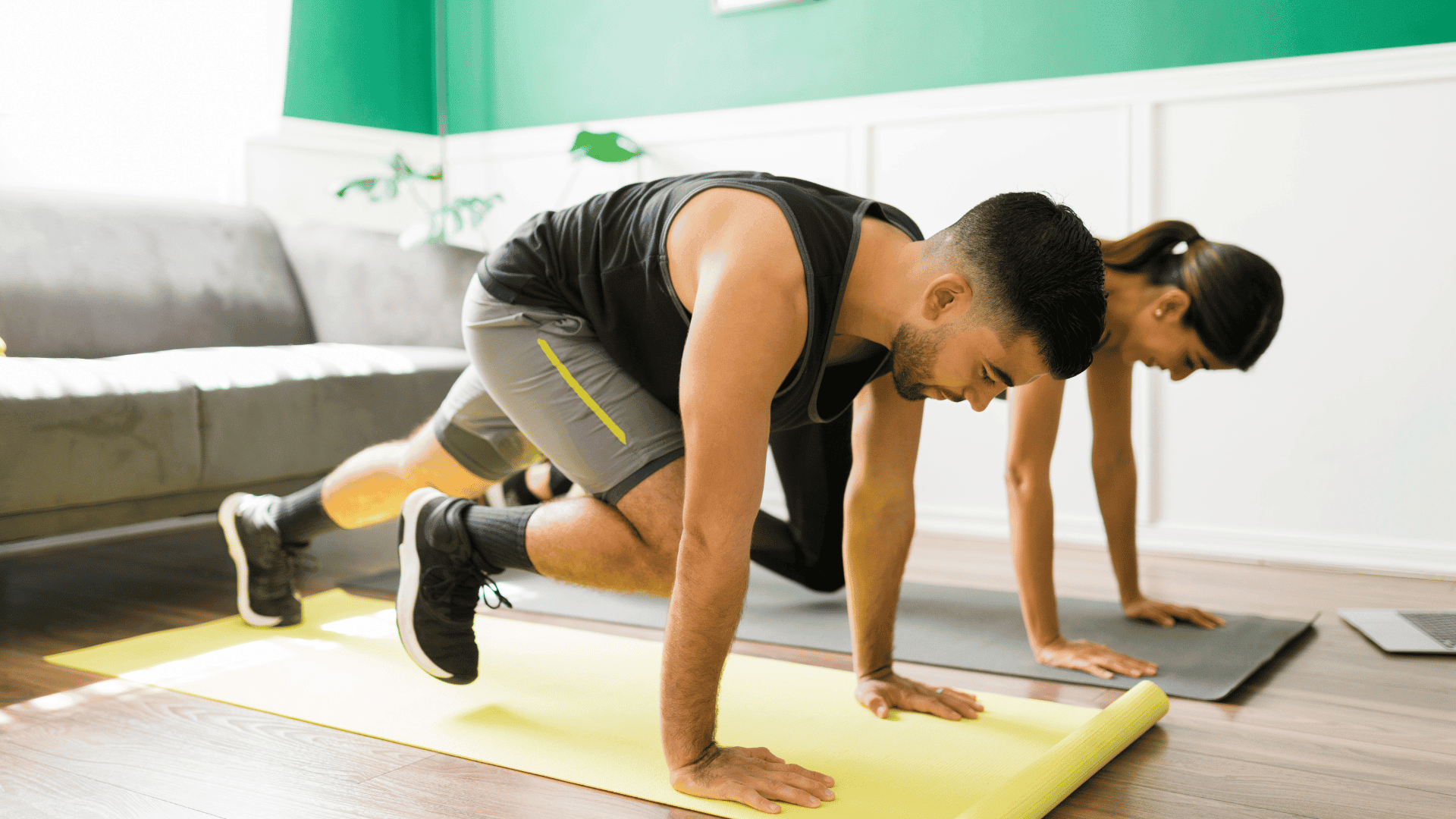
Do you want a workout that actually fits into your busy day?
HIIT might be the answer.
It’s quick, simple, and helps you break a sweat without needing a gym. You don’t need equipment, and you don’t need a huge space. You can do it right in your bedroom or living room, even if your dog is watching.
This guide will walk you through what HIIT is, how it works, and how to start. You’ll get clear workout plans, step-by-step moves, and easy tips to help you stay on track.
If you’re ready to move, sweat, and be stronger, keep reading.
Why HIIT Is Great for Home Workouts
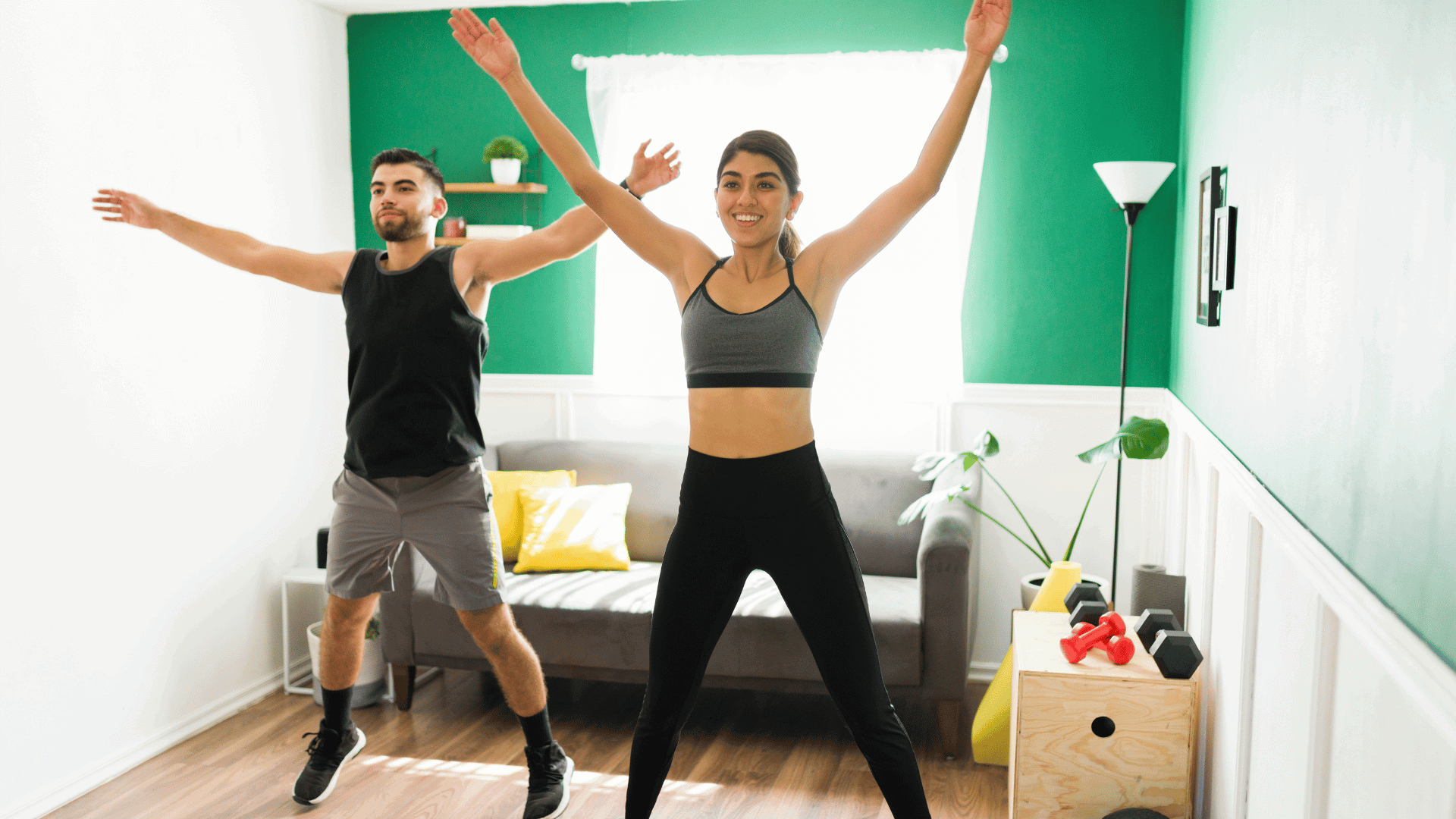
Starting a workout at home can be tricky. Some people don’t have a lot of space. Others don’t have much time. Many just don’t know what exercises actually work.
HIIT helps with all of that.
HIIT stands for high-intensity interval training. You move at your best pace for a short time, take a quick break, then do it again. That’s one round. You repeat that for a few rounds, and that’s your full workout.
Each session is short, usually 10 to 20 minutes workout. It helps burn calories, build muscle, and improve your heart health. You can do it in a small room, with just your body and a timer.
If you want a fast and simple way to stay active without leaving home, HIIT is one of the easiest options to start with.
But What Really Is HIIT?
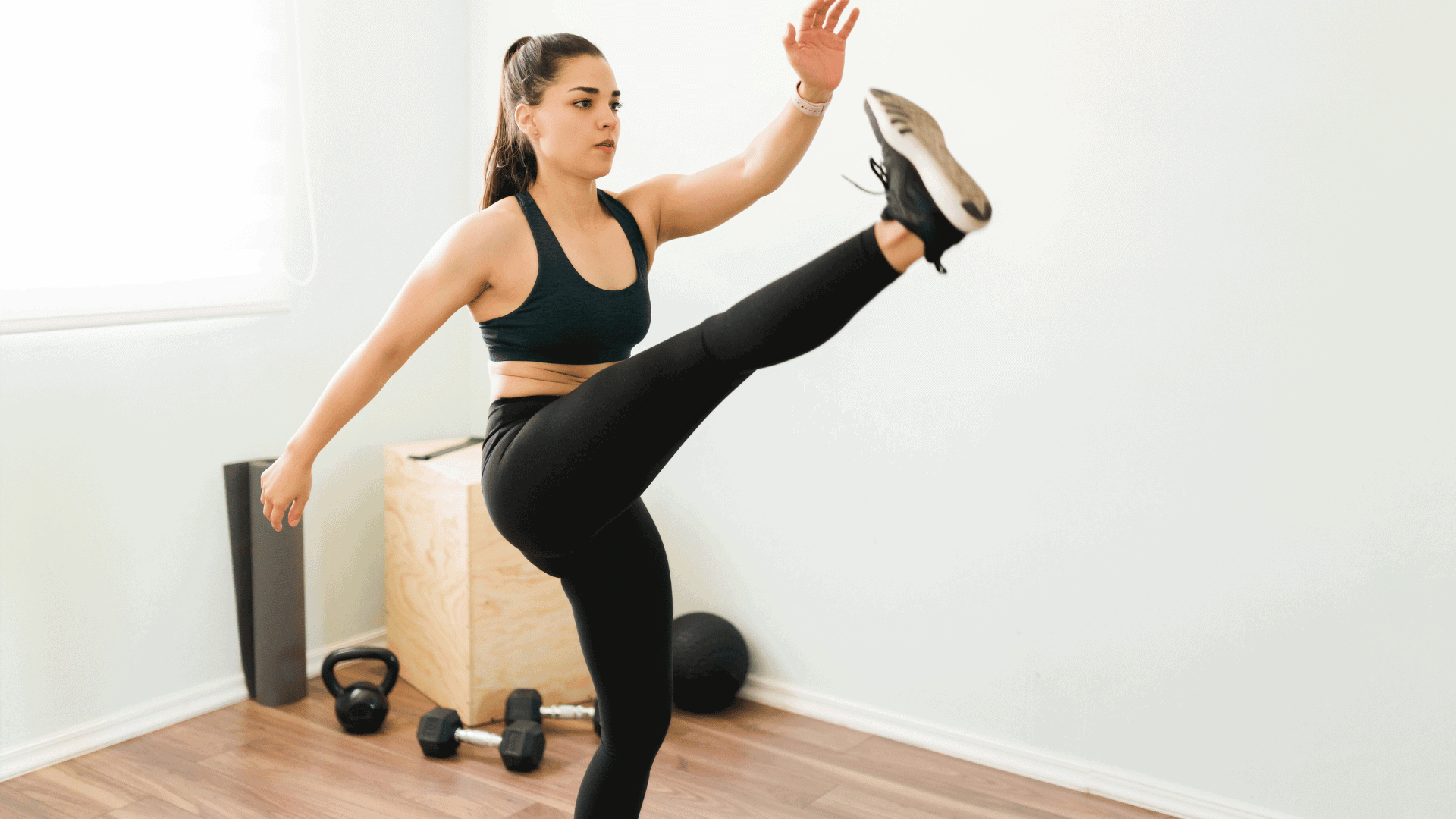
As I said before, HIIT stands for high-intensity interval training. It’s a workout style where you move hard for a short time, then rest, then repeat.
A round might look like this: 30 seconds of squats, 15 seconds of rest, 30 seconds of mountain climbers, then rest again. You keep switching between work and rest until the round is done.
This pattern helps your body burn calories, build strength, and improve your cardio—all in a short amount of time.
And what makes HIIT even better is, you don’t need a gym or even buy equipment either.
You just need your body, a little space, and a timer.
HIIT can be fast, simple, and easy to start. You choose the moves and the pace. That’s what makes it work for all fitness levels.
Before You Start, Here Are The Things You Need
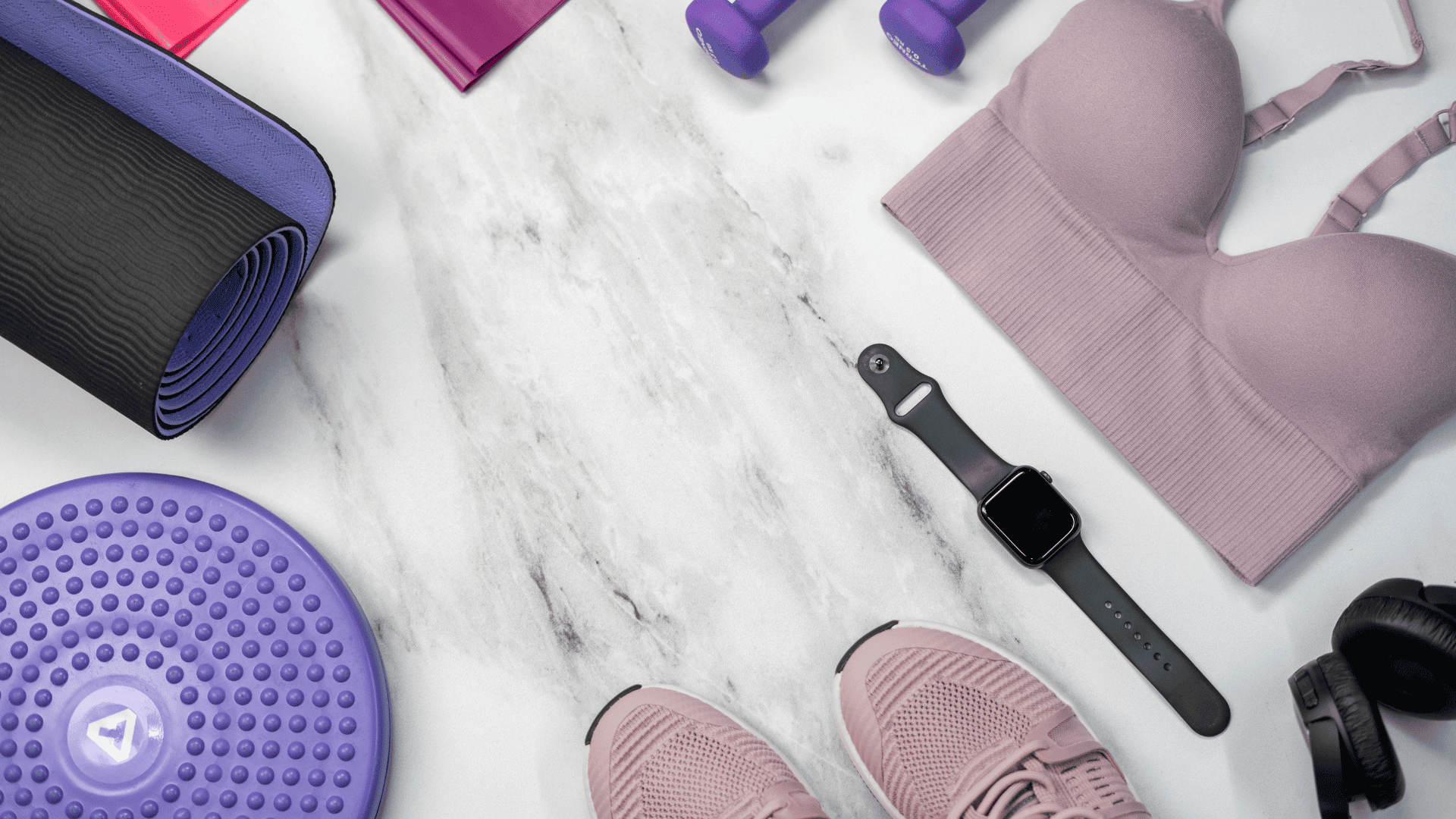
HIIT doesn’t take much to get going. But there are a few things that can help you start strong.
- A small open space. Make sure you can stretch your arms and legs without bumping into stuff.
- Supportive shoes. You’ll be jumping or moving fast, so wear shoes that protect your feet.
- Water. Keep a bottle nearby. You’ll want it during breaks.
- A timer. You can use your phone or a free timer app. Set your work and rest times before you begin.
- A mat or soft surface. This helps with floor moves like planks or push-ups. A towel works too if that’s what you have.
You don’t need anything fancy. Just set things up, press start, and go at your OWN pace.
HIIT Moves You Can Do at Home
Not everyone has space for big workout machines. Some live in small apartments. Others just want to move without leaving the house.
That’s why bodyweight HIIT is so useful. It works with what you already have—your own body, a bit of floor space, and a few minutes on the clock.
Here are simple HIIT moves you can do at home:
Jumping Jacks
- Stand tall, arms at your sides
- Jump your feet out and raise your arms overhead
- Jump back to start and repeat
Squats

- Stand with feet shoulder-width apart
- Lower your hips like you’re sitting down
- Keep your chest up
- Stand back up and repeat
Mountain Climbers

- Start in a push-up position
- Pull one knee in, then switch legs fast
- Keep switching like you’re running in place
High Knees

- Run in place
- Lift your knees up as high as you can
- Pump your arms to match your pace
Push-Ups
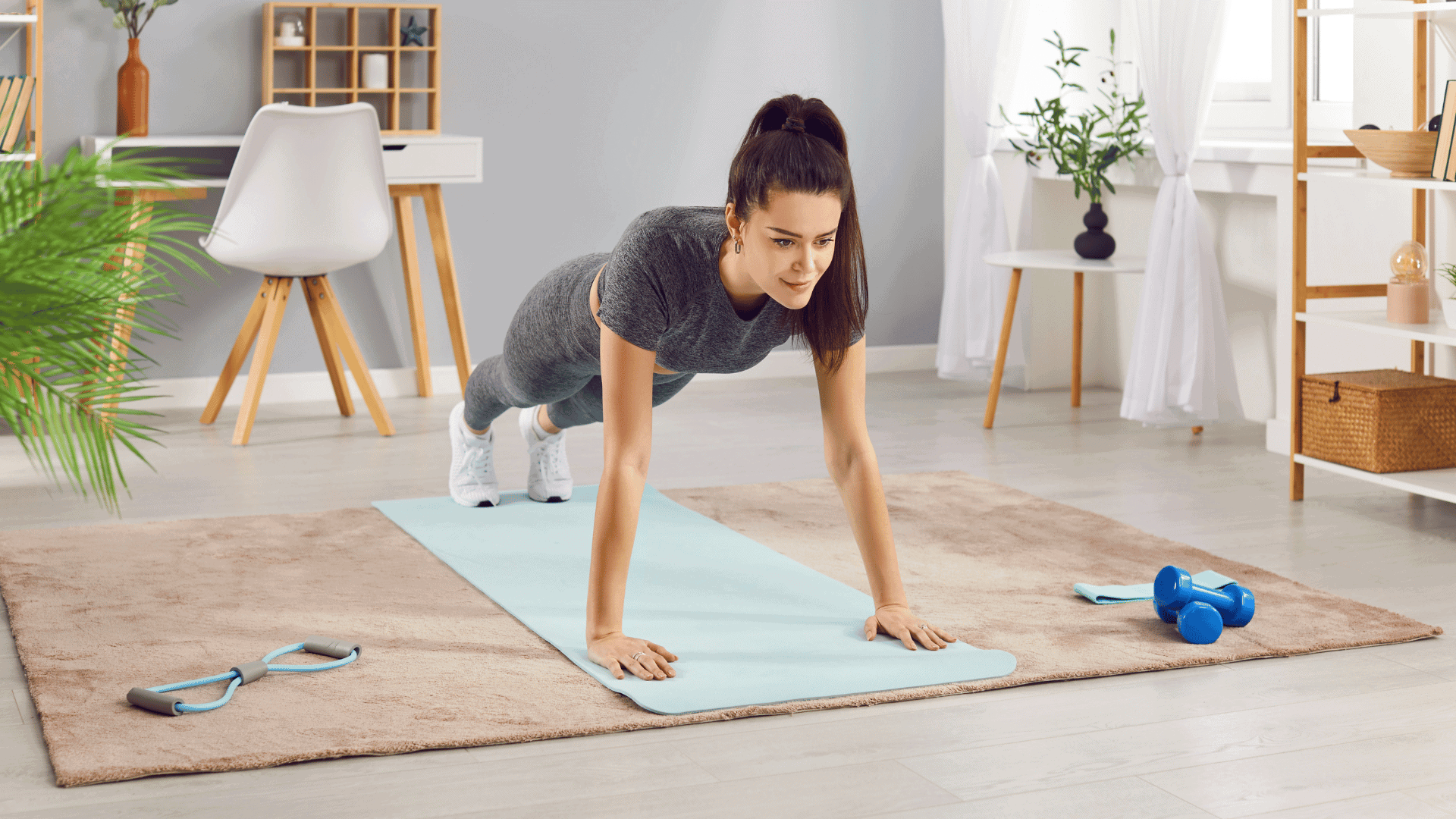
- Start in a plank, hands under shoulders
- Lower your chest toward the floor
- Push back up
- Drop to your knees if needed
Plank Hold
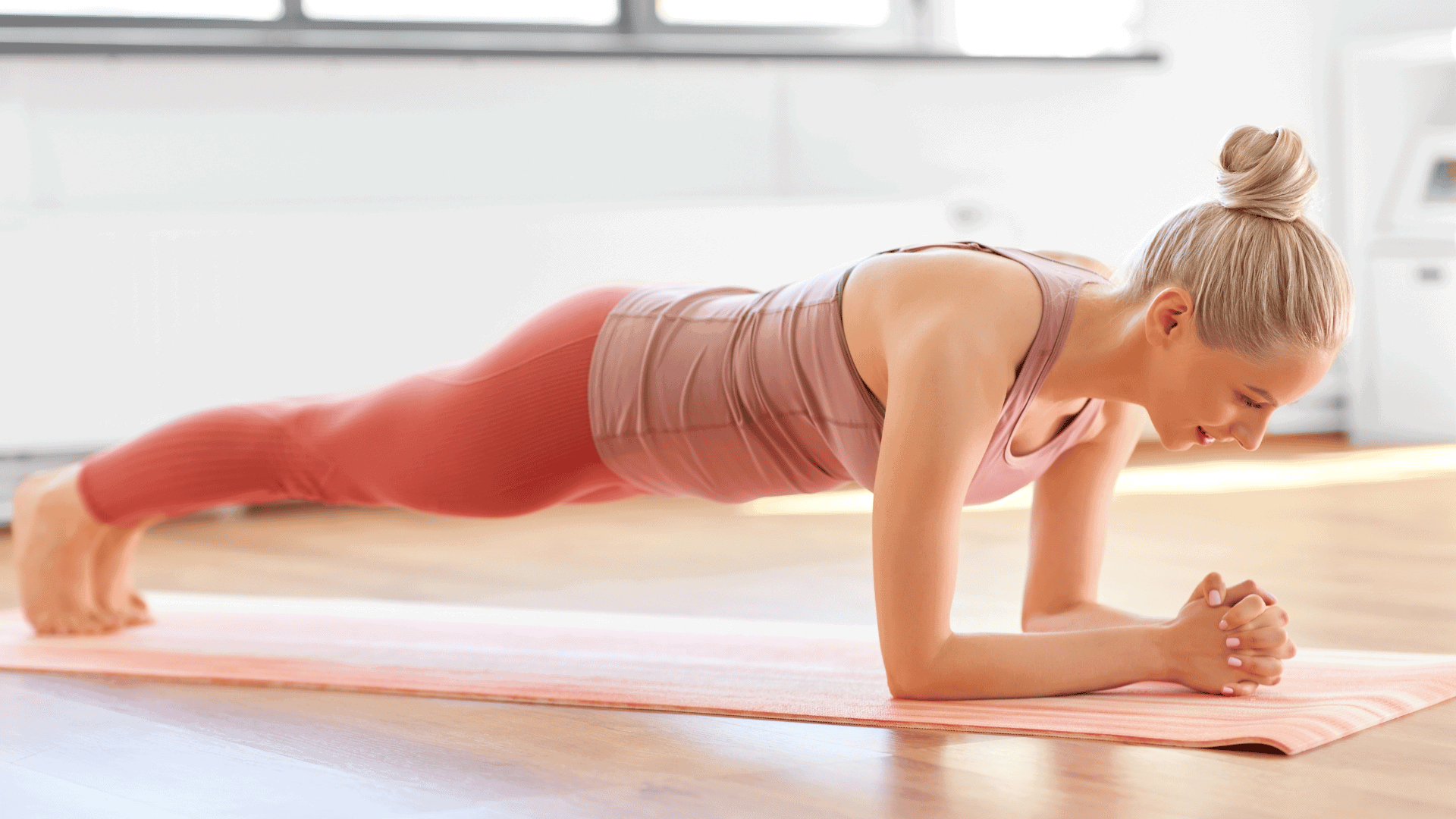
- Rest on your elbows and toes
- Keep your body in a straight line
- Don’t let your hips drop or rise
- Hold still and breathe
Skater Jumps
- Jump to the right and land on your right foot
- Jump to the left and land on your left foot
- Use your arms to help you balance
What even better is you don’t need to do them all at once. Just pick a few that match your energy and space.
In the next section, I’ll show you how to turn these into a full workout.
Sample HIIT Workout Plans
Now that you know the moves, it’s time to put them together. Below are three sample HIIT workouts you can try at home. Each one is based on your energy and fitness level.
You don’t need to follow them perfectly. If one feels too hard, slow it down. If one feels too easy, add a round or increase the work time. It’s all about finding your pace and building from there.
Before each workout, take one to two minutes to warm up. March in place, roll your shoulders, and do some light jumping jacks.
After you’re done, take a minute to walk it out and stretch.
Beginner HIIT (10–15 Minutes)
This one is short and simple. Great for starting out or getting back into it.
- 30 seconds of work
- 30 seconds of rest
- 4 moves
- Repeat for 2 to 3 rounds
Workout:
- Jumping Jacks
- Bodyweight Squats
- Plank Hold
- High Knees
Intermediate HIIT (20 Minutes)
Once you’re ready to step it up, try this routine.
- 40 seconds of work
- 20 seconds of rest
- 5 moves
- Repeat for 3 rounds
Workout:
- Mountain Climbers
- Push-Ups
- Skater Jumps
- Squats
- Plank Hold
Challenge HIIT (25–30 Minutes)
This one brings more intensity. Only try it if you’re used to HIIT or want a good challenge.
- 45 seconds of work
- 15 seconds of rest
- 6 moves
- Repeat for 3 to 4 rounds
Workout:
- Jumping Jacks
- Push-Ups
- High Knees
- Mountain Climbers
- Squats
- Skater Jumps
You can switch up the moves anytime. For example, if your knees are sore, skip the jumps and focus on squats or planks. If your arms are tired, drop the push-ups and do more legs.
The key is to keep moving, stick to your timer, and challenge your body without overdoing it.
How Can You Get the Most Out of HIIT?
Doing the workout is one thing. But doing it right makes all the difference. These tips will help you stay safe, stay strong, and keep getting results.
Start with a Warm-Up
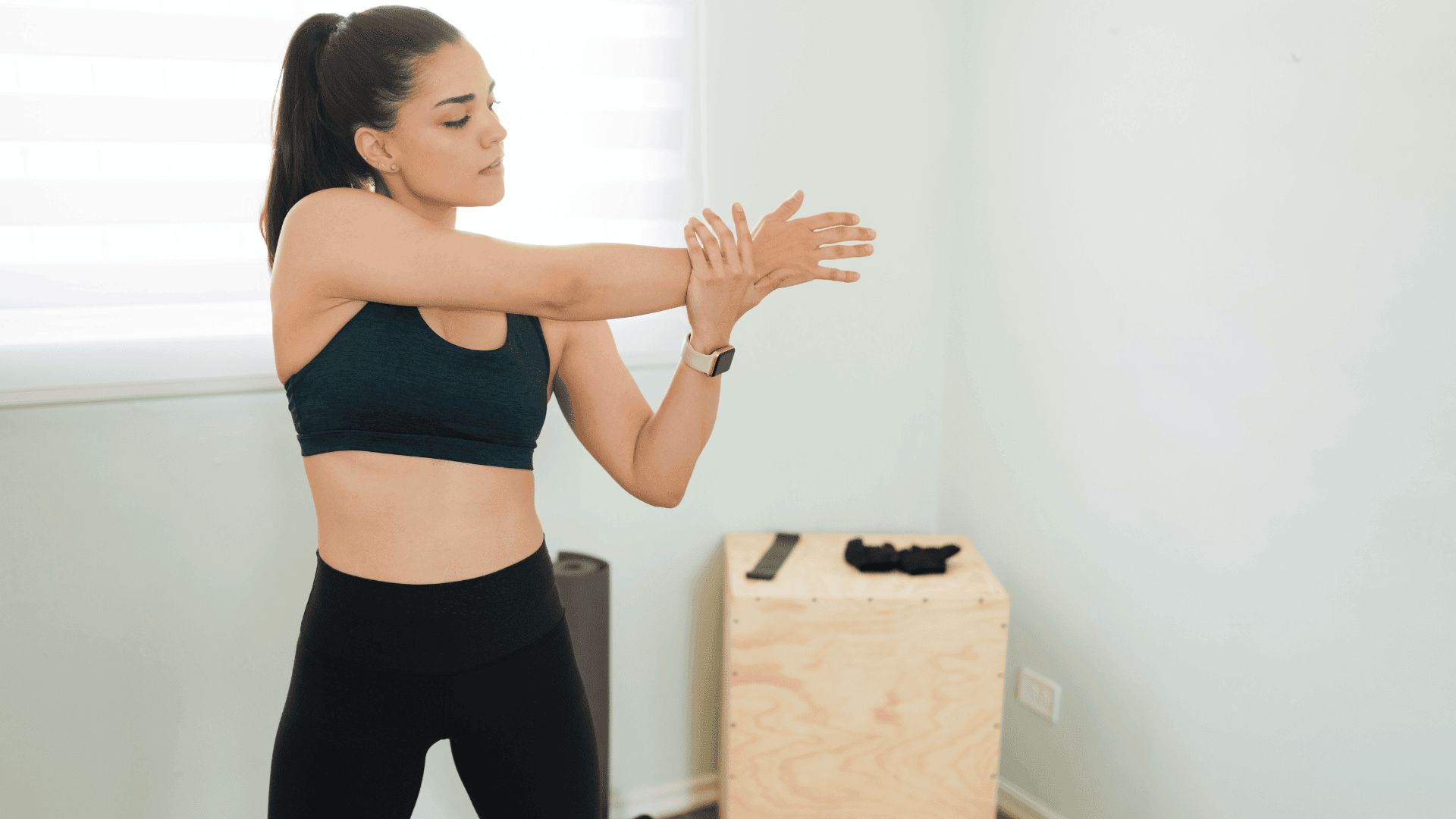
Jumping into HIIT without warming up can lead to soreness or even injury. Spend one or two minutes doing light moves like arm circles, leg swings, or slow jumping jacks.
This gets your blood flowing and your muscles ready.
Focus on Good Form
It’s better to move slower with good form than to rush and do it wrong.
Bad form can hurt your knees, shoulders, or back. Keep your core tight, your posture (always) steady, and your movements clean.
Stick to the Timer

Work when it’s time to work. Rest when it’s time to rest.
This balance helps you push hard without burning out too fast. If you’re using a timer app, set it once and follow the beeps.
Take Breaks If You Need To
Some days your energy is lower, and that’s okay. If you need an extra few seconds between moves, take it.
Skipping a workout is worse than going a little slower.
Cool Down After You’re Done
Once you finish your rounds, don’t stop cold. Walk in place for a minute, then stretch your legs, arms, and back.
This helps your body recover and makes tomorrow’s workout easier.
Using these tips will help you stay consistent, avoid injuries, and keep your workouts feeling doable. (even on low-energy days)
What Mistakes Should You Avoid?

HIIT is simple, but there are a few common mistakes that can slow you down or cause problems. Here’s what to watch out for.
Skipping the Warm-Up
Jumping right into fast moves without warming up can lead to tight muscles or pulled joints. Always take one or two minutes to loosen up first.
Doing Too Much Too Soon
Pushing too hard in your first few workouts can lead to burnout or soreness that sticks around for days. Start small, then build up over time.
Rushing Through the Moves
Going too fast can mess up your form and raise your risk of injury. Slow down if needed. The goal is to move well, not just fast.
Not Resting When You Need It
The rest time is there for a reason. Don’t skip it just to finish faster. If you’re out of breath, pause for a few extra seconds, then keep going.
Skipping Cool-Downs
Stopping a workout without cooling down can make you stiff or dizzy. Always end with a few easy stretches and deep breaths to help your body reset.
Avoiding these simple mistakes will help you stay safe, stay consistent, and get better results from every workout.
How Do You Stay on Track With HIIT at Home?
Starting is one thing. Sticking with it is another. Here are a few ways to keep your HIIT workouts going—even when your couch looks extra cozy. (well, it is)
Pick a Set Time That Works for You
Some people like mornings. Others prefer evenings. The best time is the one you’ll actually stick to. Block it off like an appointment and show up for it.
Make It Part of Your Weekly Routine
Aim for two to four HIIT sessions a week. You don’t have to do it daily. What matters more is showing up often enough to build the habit.
Switch Things Up
Doing the same moves over and over can get boring. Try new exercises, change the order, or test a new work/rest time. Small changes keep things fresh.
Use Music or a Timer App
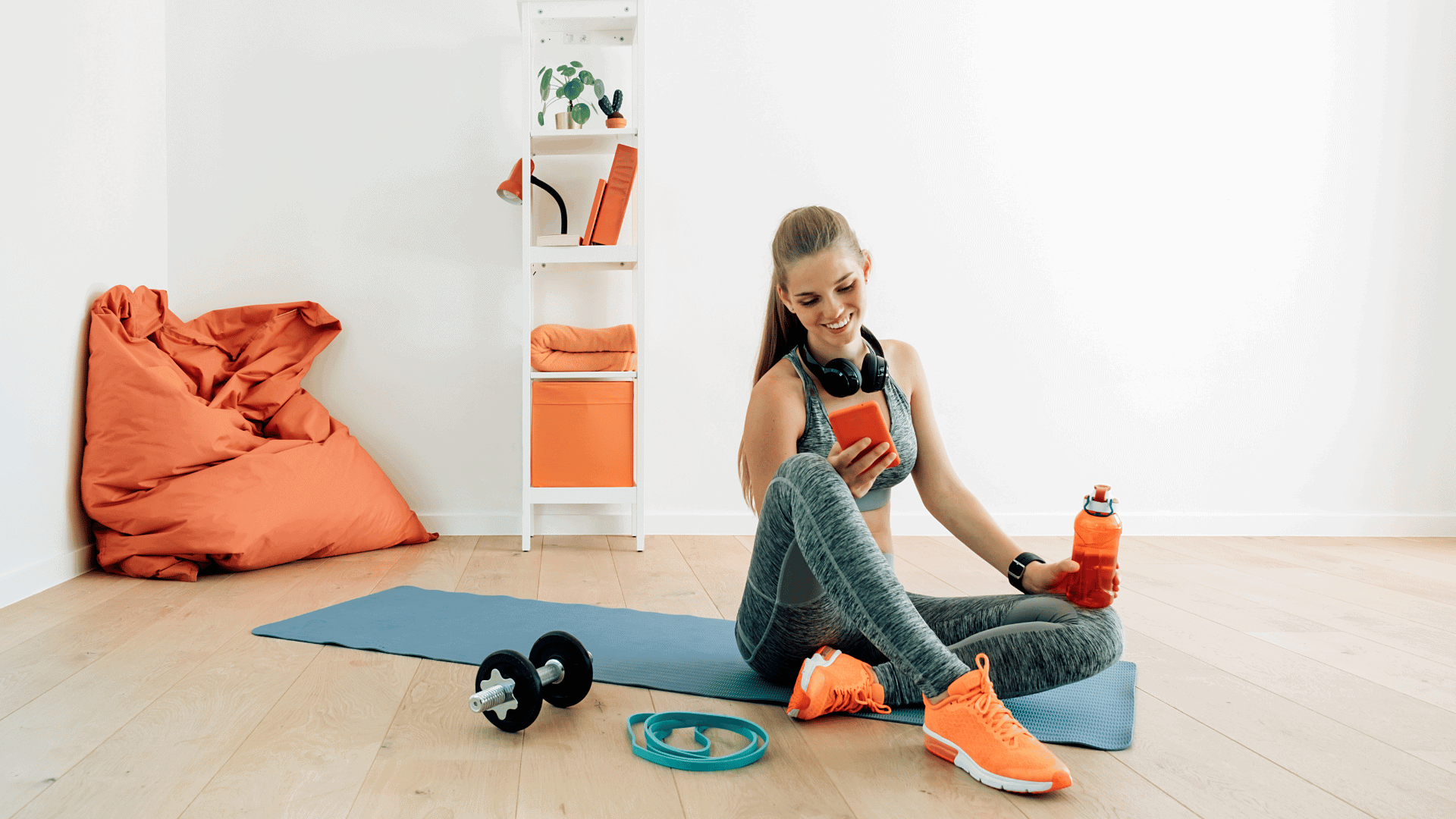
Music can boost your energy. A timer helps you stay focused.
Combine both and you’ve got a full vibe.
Track Your Progress
Keep a simple note of your workouts. Write down what moves you did, how many rounds, or how long you lasted. It’s a good reminder of how far you’ve come.
Celebrate the Small Wins
Got through an extra round?
Didn’t stop halfway through burpees?
That counts.
These wins keep you moving forward.
The goal is to keep showing up, even if some days are slower than others.
What’s Next After Your First HIIT Workout?
Once you’ve done your first HIIT workout, the next step is to keep it going. You don’t need to go harder or longer right away.
Just stay consistent.
Start with two to three workouts each week. Use the sample plans, or mix and match the moves you like best.
On other days, go for a walk, stretch, or rest. Recovery is part of the plan.
If one workout feels rough, that’s normal. It gets easier. Your body gets stronger. Your energy improves. You’ll start to move with more control, and your pace will build over time.
Keep it simple. Keep it doable. That’s how real progress sticks.
You’re already in it… Just take it one round at a time.
Fit HIIT Into Your Busy Week
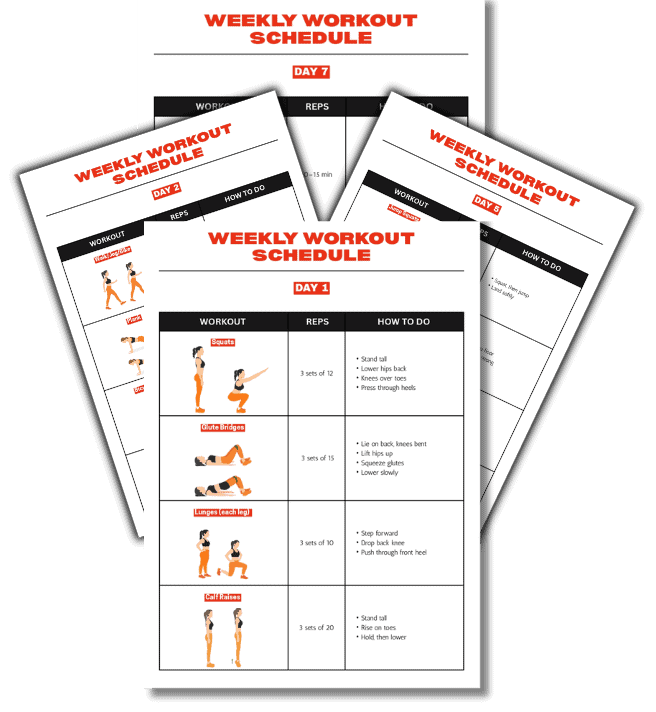
Home workouts should save you time, not leave you stressed about what to do next.
The Free Weekly Workout Schedule gives you a ready-made structure so you’ll always know exactly where HIIT fits into your week.
Instead of wasting energy planning workouts, you’ll have a clear guide that shows you what to do and when to do it.
Just open it, follow along, and finish strong — even on days when your time or energy is limited.
With this schedule, every HIIT session becomes part of a bigger plan that actually moves you closer to your goals.
FAQ: What People Ask About HIIT at Home
1. How many times a week should I do HIIT?
Start with two to three times a week. That gives your body time to recover while still getting results. You can add a fourth day if your energy is up.
2. Can I lose weight with HIIT?
Yes. HIIT helps burn calories fast and can support weight loss when paired with smart food choices. Just keep your workouts regular and your meals balanced.
3. Is HIIT okay for beginners?
Yes, as long as you go at your own pace. Start with shorter rounds and low-impact moves. Take breaks if you need them.
4. What if I can’t do jumping or high-impact moves?
You can swap in low-impact options. Step out instead of jumping. Hold a squat instead of doing squat jumps. It still counts.
5. Do I need any equipment?
No. Most HIIT workouts use bodyweight moves. If you want to level up later, you can add dumbbells or resistance bands, but it’s not required.


