
If you’ve ever felt your legs aching just from climbing a few stairs or struggled to stand up from the couch after leg day, you’ve already met your quads and hamstrings.
These are the big muscles on the front and back of your thighs. They work together every time you walk, sit, bend, or lift anything off the floor.
(In short, they do a lot)
When your quads and hamstrings are strong, everyday things like carrying groceries, going for walks, or chasing after your dog feel easier.
Plus, strong legs help protect your knees and hips from injury.
In this blog post, you’ll get simple leg workouts that focus on building your quads and hamstrings at the same time.
No guesswork. No hard-to-follow steps.
Just clear, beginner-friendly exercises that actually help you feel stronger and more balanced, whether you’re powering through a workout or just trying to make it through legging season without your thighs screaming.
What Are Quads and Hamstrings (and Why Do They Matter)?
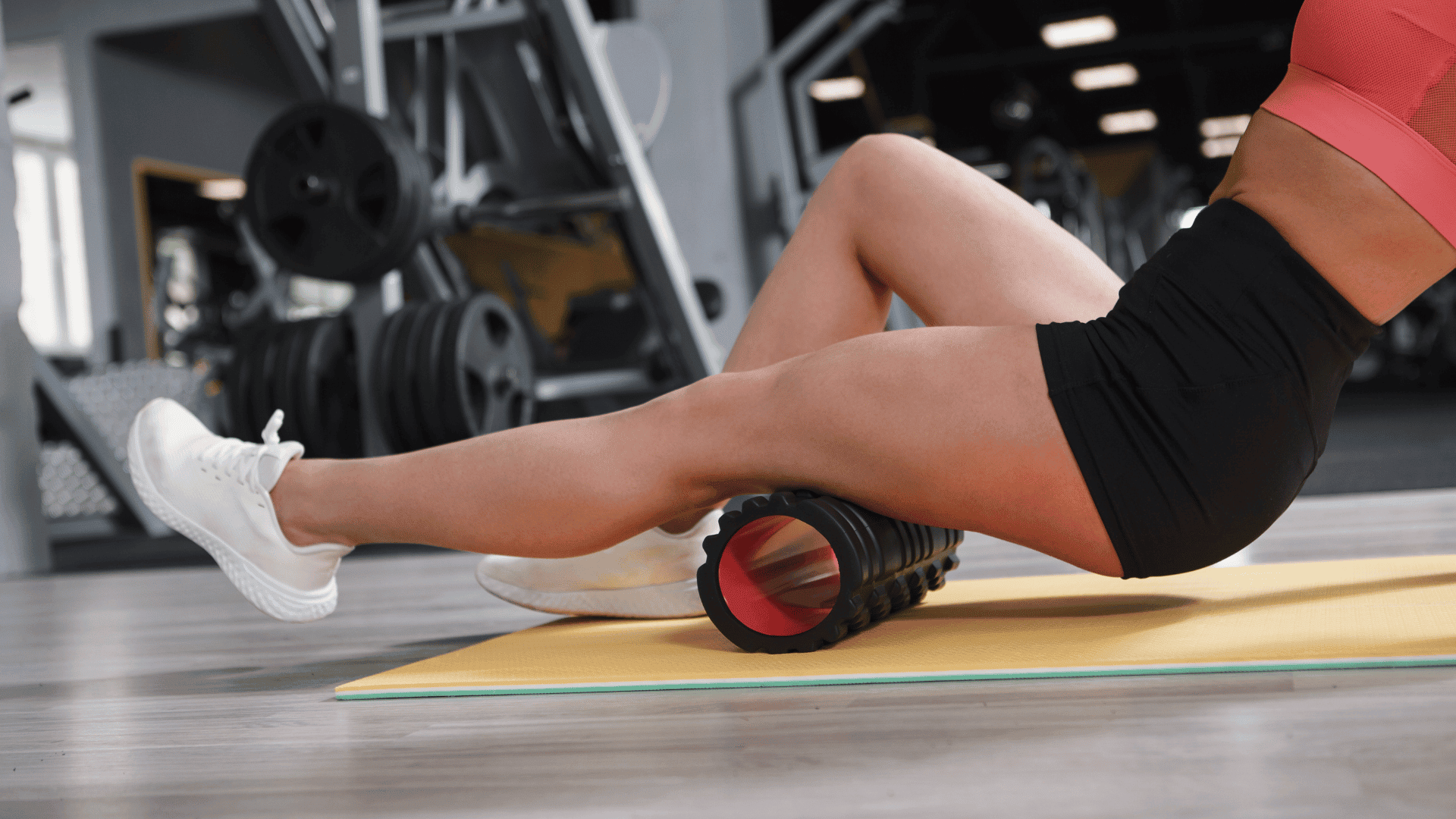
Your quads are the muscles on the front of your thighs.
They help you straighten your legs, stand up from a chair, walk forward, and climb stairs. In fact, if your legs have ever felt shaky after squats, that’s your quads doing most of the work.
On the other hand, your hamstrings are located on the back of your thighs. They help you bend your knees, push off the ground when you walk or run, and control your body as you lower yourself down.
If you’ve ever reached for something on the floor and felt tightness behind your legs, that was your hamstrings kicking in.
Together, these two muscle groups help you move through daily life.
Whether you’re walking to the kitchen or stepping over a puddle, your quads and hamstrings work as a team.
But when one is stronger or tighter than the other, it can throw your legs off balance. That makes everyday movement harder and less stable.
This is why balanced leg strength matters.
Strong quads and hamstrings help you move with control, support your knees, and stay steady on your feet. In the long run, that can mean fewer aches, less strain, and better posture.
So instead of overthinking the science, focus on this: strong legs make everyday movement easier. That’s reason enough to start training them.
Best Moves for Quads and Hamstrings Strength
Training your legs doesn’t need to be complicated. In fact, the most effective moves are often the simplest.
When done right, the following exercises work both your quads and hamstrings at the same time. They help build strength, improve balance, and support your legs for everyday movement.
You can do most of these with or without weights, depending on your fitness level.
Squats (Bodyweight or Dumbbells)

Start by standing with your feet about shoulder-width apart. Keep your chest lifted and your back straight. Next, lower your body like you’re sitting back into a chair.
Stop when your thighs are about parallel to the floor, then press through your heels to return to standing.
For extra challenge, hold dumbbells by your sides. However, if you’re just starting, bodyweight squats are more than enough to build strength and form.
Glute Bridges with Heel Drive
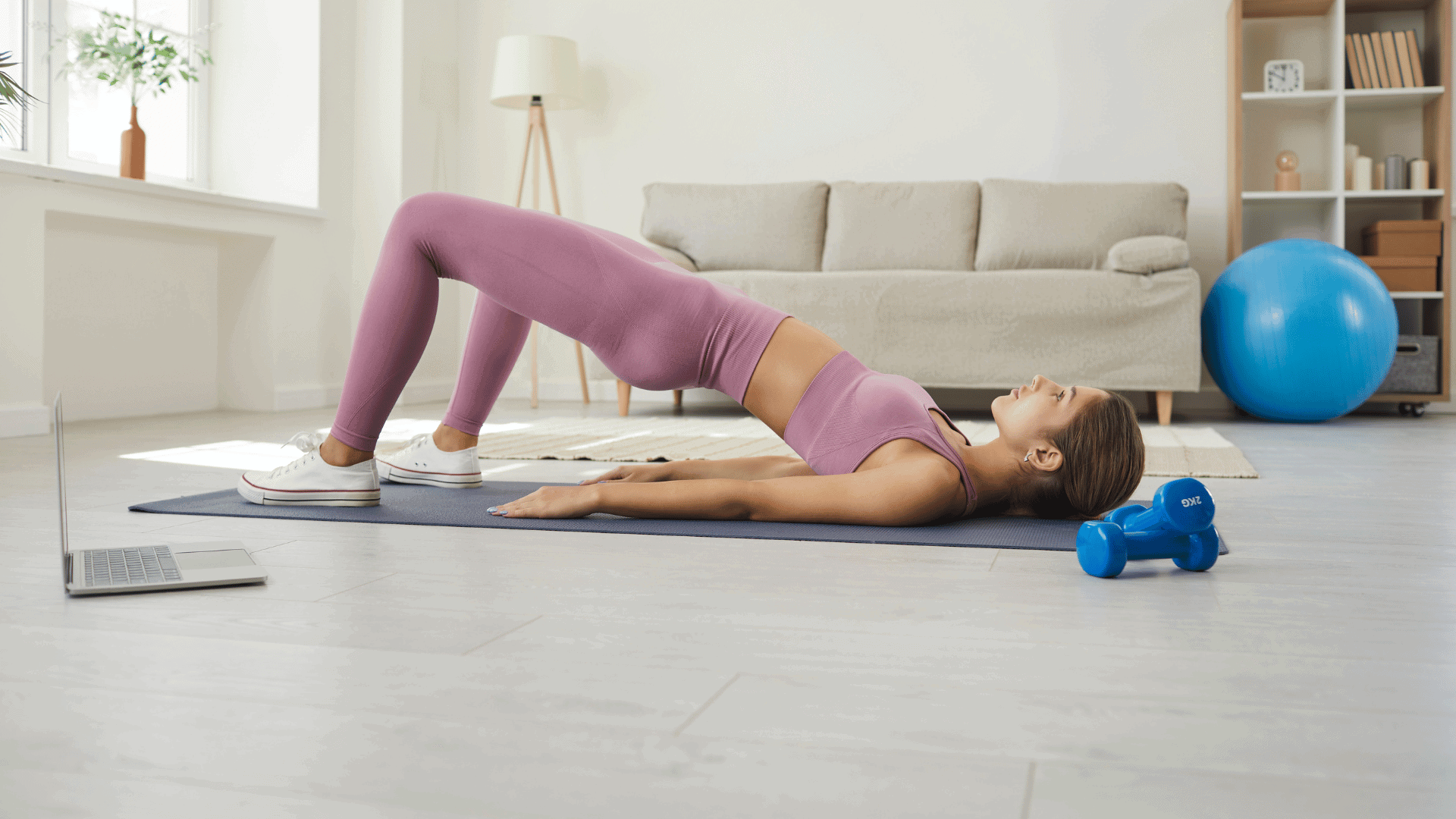
First, lie flat on your back with your knees bent and your feet on the floor. Place your arms down by your sides.
Now, press through your heels and lift your hips up toward the ceiling. Squeeze your glutes at the top before lowering your hips back down.
To shift more focus to your hamstrings, dig your heels into the floor and lift your toes slightly. It may feel like a small tweak, but it helps target the right muscles.
Step-Ups (Use a Bench or Sturdy Box)

Begin by finding a stable surface like a bench, step, or sturdy box. Step up with one foot and press through your heel to lift yourself. Bring the other foot up to meet it, then step back down and switch legs.
Move slowly and with control. This works your quads, glutes, and hamstrings while also challenging your balance.
Reverse Lunges

To start, stand tall with your feet hip-width apart. Step one foot back and lower your body until both knees form about 90-degree angles. Push through the heel of your front foot to stand back up. Then switch sides.
Unlike forward lunges, this version puts less pressure on your knees. Plus, it targets your hamstrings more while still engaging your quads.
Romanian Deadlifts (With Dumbbells or No Weights)
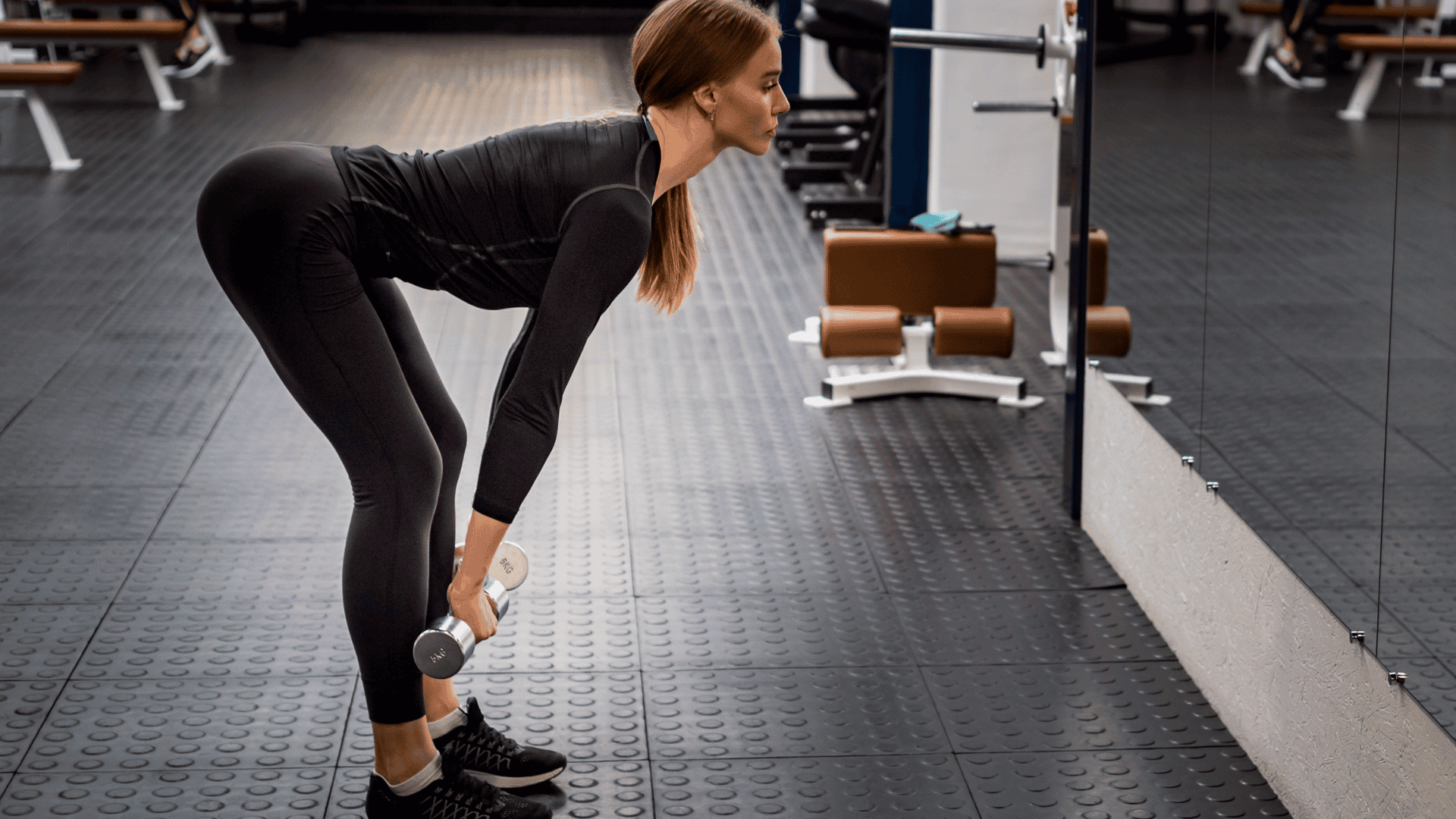
Stand with your feet about hip-width apart. Hold dumbbells in front of your thighs or keep your arms down if you’re using no weight. With soft knees, hinge at your hips and lower the weights down the front of your legs. Keep your back flat the whole time.
When you feel a stretch in the back of your legs, stop and return to standing. This move is great for building hamstring strength while also training your glutes and back.
Hamstring Curls (Machine or Stability Ball)

At the gym, use the lying leg curl machine. Lie face down, place your ankles under the pad, and curl your legs up toward your glutes. Lower them slowly and with control.
If you’re at home, try the same move with a stability ball. Lie on your back, place your heels on the ball, lift your hips, and roll the ball toward you by bending your knees. Then roll it back out.
Both versions hit your hamstrings directly, which makes them an essential part of your leg routine.
Wall Sit Burnout (Hold & Shake!)

Stand with your back against a wall and slide down until your knees are bent like you’re sitting in an invisible chair. Keep your back flat and knees stacked over your ankles.
Hold the position as long as you can. Your legs may start to shake, but that just means the muscles are working. Stay still and breathe through it.
3 Quads and Hamstring Workouts That You Should Definitely Try
You don’t need to spend an hour in the gym to feel your legs working. These quick workouts get the job done in 15 to 20 minutes.
Whether you’ve got no gear, just a pair of dumbbells, or a small space at home, there’s something here for you. Pick one and go.
1. Beginner 15-Minute Burner (No weights needed)
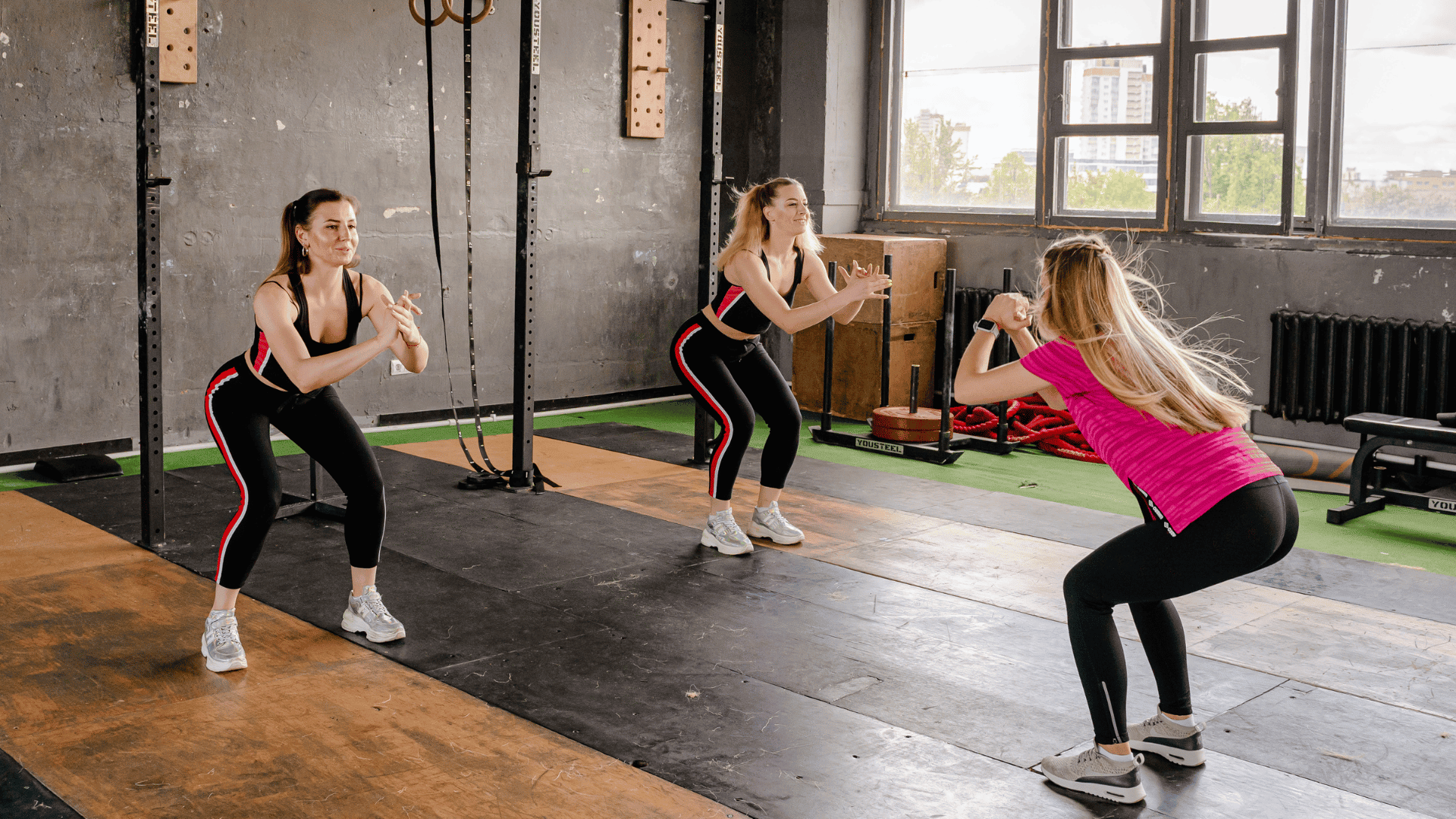
This one’s bodyweight-only, perfect for when you’re short on time or just starting out.
Do 3 rounds:
- 10 Bodyweight Squats
- 10 Reverse Lunges (5 each leg)
- 10 Glute Bridges
- 20-Second Wall Sit
- 30-Second Rest after each round
Keep the pace steady, not rushed. By round 3, your legs will know they’ve been put to work.
2. Dumbbell Boost (20-minute weighted option)

Add dumbbells to take things up a notch. Use light to medium weight, whatever feels hard but doable.
Do 3 rounds:
- 10 Dumbbell Romanian Deadlifts
- 10 Dumbbell Step-Ups (5 each leg)
- 12 Dumbbell Squats
- 10 Glute Bridges (add a dumbbell on your hips if you want)
- 30-Second Wall Sit
- 30-Second Rest after each round
Take your time with each move. Good form > going fast.
3. At-Home Circuit (Minimal space, no machines)

Got a yoga mat’s worth of space? You’re good. No weights needed.
Do 4 rounds:
- 12 Squats
- 10 Reverse Lunges
- 15 Glute Bridges
- 10 Hamstring Curls (use a towel on tile or socks on hardwood)
- 20-Second Wall Sit
- 20-Second Rest after each round
This one’s perfect for a living room workout that still leaves your legs feeling worked, but not wrecked.
How Can You Get More from Your Quad and Hamstring Workouts?
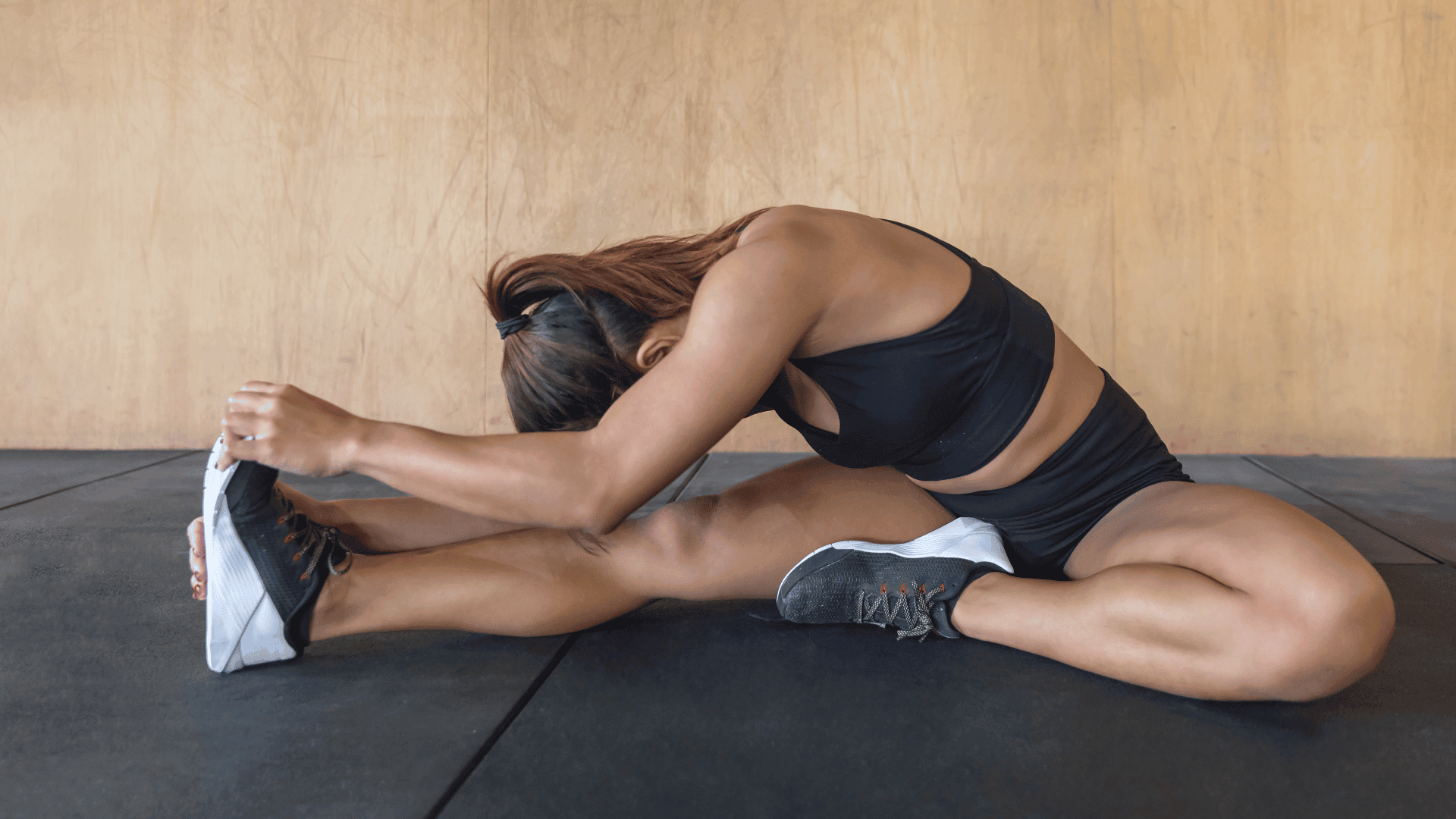
Getting the most out of your leg workouts isn’t about pushing harder, it’s about working smarter and treating your body with care. Small habits before, during, and after your routine can help you feel stronger and recover faster.
First, warming up is key.
Before you add any weight or jump into tough moves, take a few minutes to wake up your legs.
Simple exercises like bodyweight squats, walking lunges, or a quick march in place help get your muscles ready and reduce soreness later.
If your knees start to feel weird during a move, stop and check your form. If they start to feel uncomfortable or off, check your form right away. Keep your knees in line with your toes during squats and lunges.
Avoid letting them push in or go too far forward, and don’t sink too deep if something doesn’t feel right. Your body is quick to send a warning sign, so it’s important to listen.
Next, focus on form before weight. It can be tempting to grab heavier weights or rush to the end, but moving slowly and with control keeps your muscles working the right way. Good posture helps protect you from injury, whether you’re using weights or just your own body.
Lastly, strong legs have benefits that go far beyond appearance. They support your joints, help you keep your balance, and make everyday things (like climbing stairs, going for walks, or even standing in line) feel easier.
As your quads and hamstrings get stronger, you might notice you’re steadier on your feet and more confident in your movement.
A smart, focused approach builds strength that sticks with you, both in and out of the gym.
Mistakes to Avoid on Leg Day
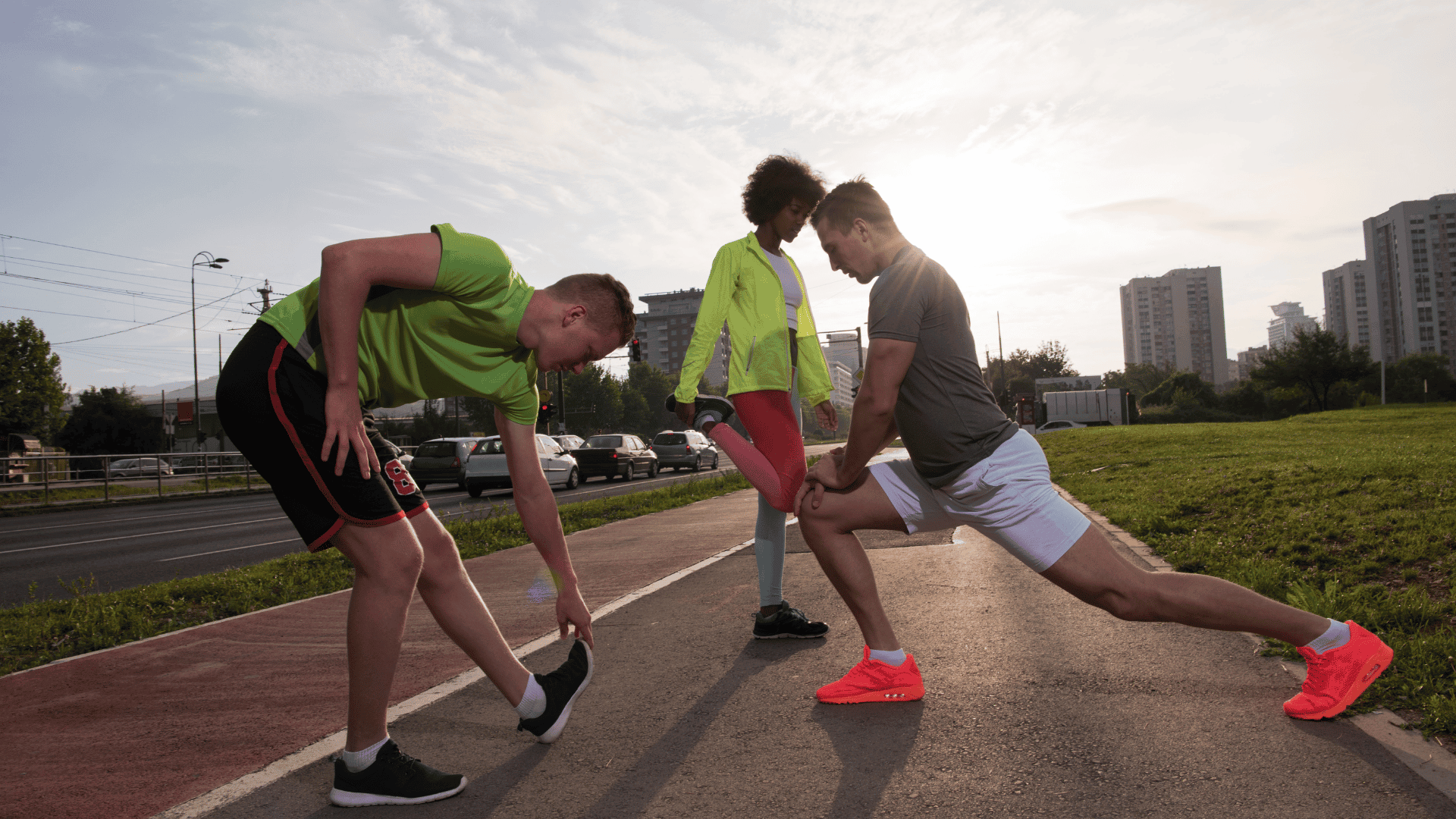
Leg day can be tough, but it shouldn’t leave you limping for a week or wondering if you did it right. To get the most from your workout (and avoid setbacks), here are a few common mistakes to watch out for.
First, don’t just train your quads.
A lot of people focus on the front of the thighs and forget the back. But your hamstrings matter just as much. Skipping them can lead to muscle imbalances, which makes your legs feel off and your knees work harder than they should.
Next, slow down.
Rushing through reps won’t get you better results, it just makes your form sloppy. Move with control, feel the muscle working, and give your body time to do the move right.
Also, watch your posture. Leaning too far forward, rounding your back, or letting your knees cave in can lead to pain or even injury. Stand tall, keep your chest up, and check yourself in a mirror if you’re not sure.
Another big one? Don’t skip your warm-up or stretch.
Going straight into squats with cold muscles is a recipe for soreness, and not the good kind. Take a few minutes to get your legs moving before you go all in, and stretch after to help them recover faster.
And finally, don’t go too hard, too soon. It’s tempting to try all the reps, all the moves, and all the weights on day one. But your muscles need time to adjust. Start light, focus on form, and build up slowly.
That’s how you stay consistent without burning out.
Ready to Build Stronger Legs?
Building strong legs doesn’t have to be complicated. In fact, every time you practice the moves from this guide, you’re moving closer toward better strength, balance, and confidence.
Whether you’re new to fitness or just want to freshen up your routine, these workouts fit into any schedule even on your busiest days.
So, choose any workout from this list and give it a try. Instead of focusing on how much time you spend, pay attention to how you move.
What matters most is showing up with good form and steady effort. Five minutes or fifteen (doesn’t matter), each rep gets you closer to legs that are more powerful and steady.
Along the way, remember that progress isn’t always about doing more. Sometimes, it’s about moving with more control, feeling a little less shaky, or making it up the stairs with less effort.
(In other words, even small changes count)
As you stick with your routine, notice how your balance improves and everyday things start to feel easier. But most importantly, trust the process and give yourself credit for every bit of effort.
You’re stronger than you think.
Build Strength and Balance That Lasts
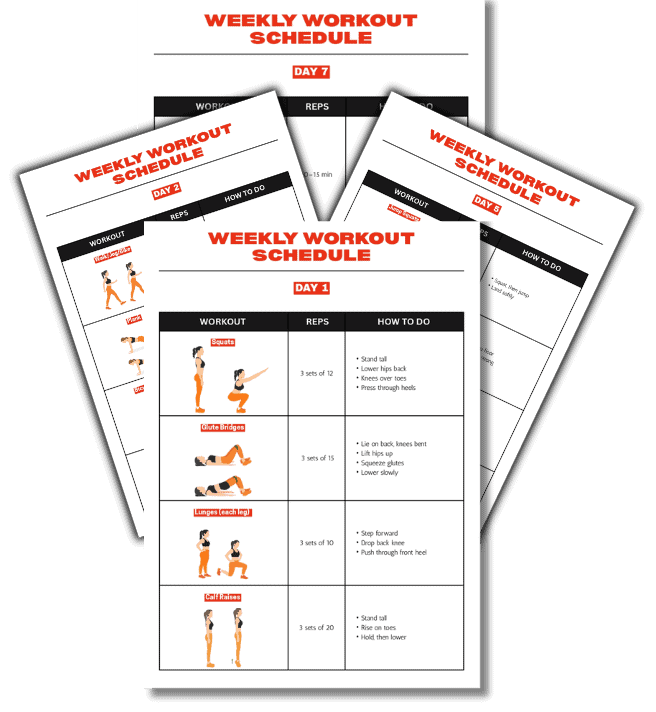
When your quads and hamstrings are trained together, your legs not only look stronger, they move stronger. From walking up stairs to powering through workouts, balanced legs support you in every step.
The Free Weekly Workout Schedule helps you keep that balance long term.
Instead of guessing how to combine exercises or worrying about recovery, you’ll get a ready-to-follow structure that tells you exactly when to push, when to rest, and how to stay consistent.
With this plan, every workout becomes part of a bigger picture: building legs that are powerful, steady, and resilient.
Frequently Asked Questions (FAQ)
1. How often should I train my legs?
Two to three times a week is a good start. This gives your muscles time to grow and recover between workouts. If your legs feel super sore, it’s okay to rest a day and come back stronger.
2. Can I do these workouts at home?
Yes! Most of the moves in this guide can be done with no equipment or just a pair of dumbbells. You don’t need a gym pass, just a little space and some motivation.
3. What if I don’t feel it in my legs?
Check your form first. Make sure you’re not rushing through the moves or letting other muscles take over. Slow down, focus on the squeeze, and try adding more reps or a light weight if needed. Your legs should feel the work by the end.
4. Is soreness normal after leg day?
Yes, a little soreness is normal, especially if you’re just starting out. It means your muscles are repairing and getting stronger. But if the soreness feels sharp or lasts more than a few days, take a break and stretch it out.
5. Do I need machines for results?
Not at all. Machines can help, but bodyweight and dumbbell moves can be just as effective when done with good form. The key is to stay consistent and challenge your muscles a little more over time.


